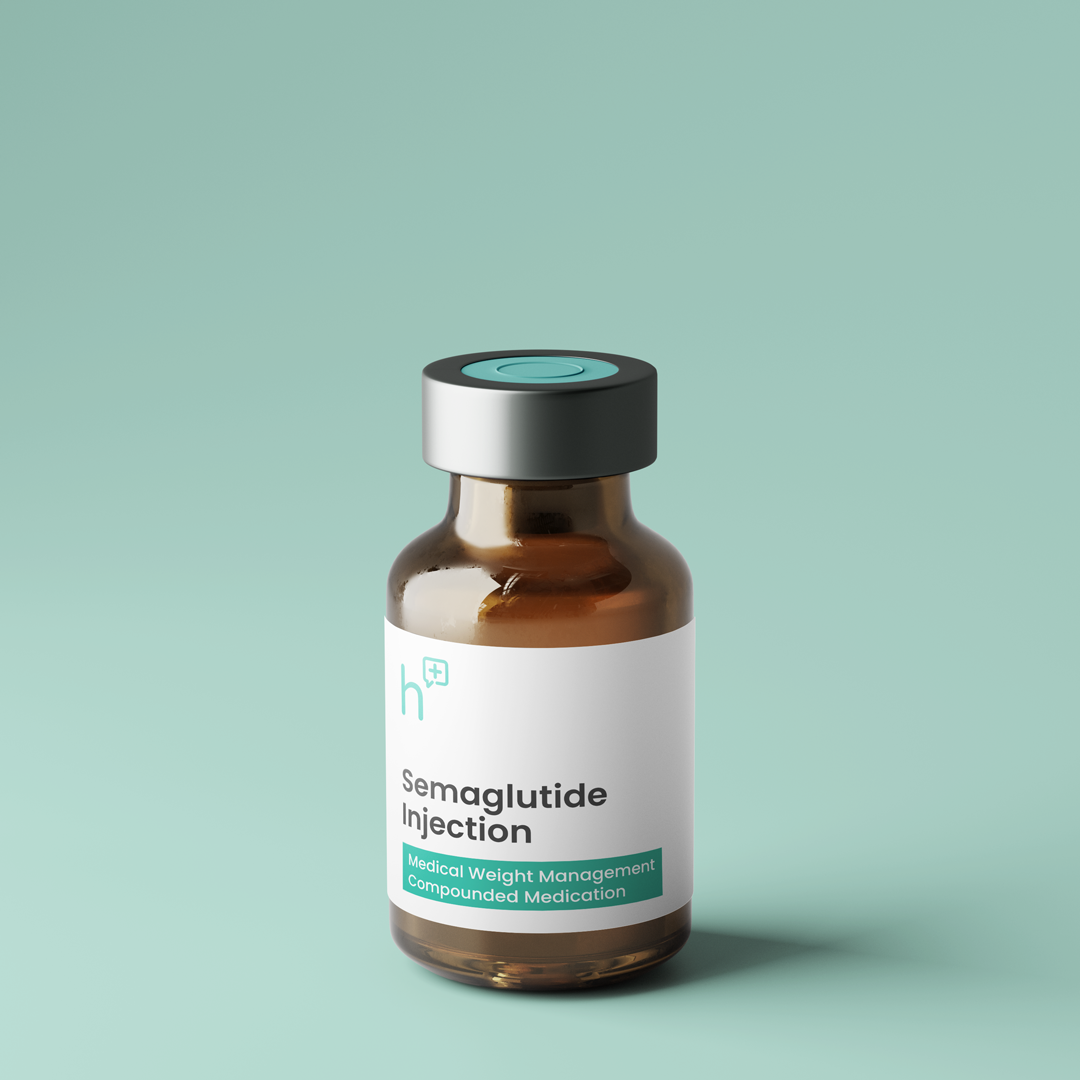
Yes, metformin and semaglutide are commonly prescribed together, and there’s no direct drug interaction between them. This combination is actually one of the most widely used treatment strategies in type 2 diabetes care, and it’s also used off-label for weight loss and PCOS. The two medications work through completely different mechanisms, which is exactly why they complement each other so well.
The American Diabetes Association specifically recommends adding a GLP-1 medication like semaglutide to metformin when metformin alone isn’t enough to control blood sugar. The main thing to watch for isn’t a dangerous interaction – it’s overlapping side effects and a couple of specific risk scenarios worth knowing about before you start.
Key takeaways
- Metformin and semaglutide have no direct pharmacological interaction. They lower blood sugar through entirely separate pathways, so taking them together is standard, guideline-backed practice.
- The main overlap is gastrointestinal side effects – nausea affects up to 44% of people on semaglutide and about 25% on metformin, so combining them can intensify GI discomfort, especially early on.
- A specific but rare risk exists: severe dehydration from semaglutide-related nausea or vomiting can trigger metformin-associated lactic acidosis, particularly in older adults or anyone with reduced kidney function.
- Metformin can reduce vitamin B12 absorption over time. Combined with the appetite suppression from semaglutide, this raises the case for annual B12 monitoring.
- In PCOS studies, semaglutide plus metformin produced significantly greater weight loss than metformin alone – one trial found 6.5 kg average weight loss with the combination versus much smaller losses on metformin by itself.
- Most people tolerate metformin and semaglutide together well, especially when metformin is started first and titrated before adding semaglutide.
Why metformin and semaglutide work well together
Metformin and semaglutide attack blood sugar problems from two different angles, which is the whole reason this pairing works so well clinically.
Metformin has been the first-line treatment for type 2 diabetes since the 1990s. It works mainly by reducing how much glucose your liver produces, improving how sensitive your cells are to insulin, and modestly reducing how much sugar your gut absorbs from food. It’s also weight-neutral to mildly weight-reducing on its own – typically 2-5 pounds over time.
Semaglutide (sold as Ozempic for diabetes and Wegovy for weight loss) is a GLP-1 receptor agonist. It helps your pancreas release more insulin exactly when blood sugar is high, suppresses the glucagon that raises blood sugar, slows gastric emptying, and reduces appetite through effects on the brain’s hunger centers.
Since metformin and semaglutide don’t overlap in mechanism, using them together produces a bigger overall effect on blood sugar than either one alone – which is exactly what large diabetes trials have shown. In the SURPASS trials, adding tirzepatide (a related GLP-1/GIP medication) to metformin produced A1C reductions of 2.0-2.4% and weight loss of 12-15%, well beyond what metformin alone typically achieves.
Related reading: Metformin for anti-aging and metabolic health | How does semaglutide help you lose weight?
Metformin and semaglutide for weight loss
Beyond diabetes management, combining metformin and semaglutide has become a common off-label strategy for weight loss and for conditions like PCOS that involve insulin resistance.
Multiple clinical studies have looked at this specific combination:
- A pilot study in women with obesity, PCOS, and prediabetes found significant weight reduction after adding low-dose semaglutide (0.25-0.5 mg weekly) to metformin over 5 months.
- A randomized controlled trial comparing metformin alone to metformin plus semaglutide in overweight and obese PCOS patients found the combination group had significantly better outcomes across weight, metabolic markers, and reproductive measures.
- Related research on metformin plus liraglutide (an earlier GLP-1 medication) found combination therapy patients lost an average of 6.5 kg over 12 weeks, compared to 3.8 kg on the GLP-1 alone and just 1.2 kg on metformin alone.
The pattern across these studies is consistent: metformin plus a GLP-1 medication outperforms either drug by itself, particularly for people with underlying insulin resistance.
Explore related treatments: PCOS treatment at Heally | Weight loss prescription programs
Side effects when combining metformin and semaglutide
The biggest practical challenge with taking metformin and semaglutide together isn’t a drug interaction – it’s that both medications independently cause gastrointestinal side effects, and combining them can make the early adjustment period rougher.
- Overlapping GI symptoms. Nausea affects up to 44% of people on semaglutide and roughly 25% on metformin when each is used alone. Taken together, especially during the first few weeks or after a dose increase, nausea, diarrhea, and stomach discomfort can feel more intense.
- A practical tip that helps. Many prescribers recommend starting metformin first and getting settled at your target dose before adding semaglutide. This makes it much easier to tell which medication is causing which side effect, rather than adjusting to both at once.
- Extended-release metformin causes fewer GI issues. If you’re prone to stomach upset, ask your doctor about extended-release (ER) metformin instead of the immediate-release version – it’s gentler on the gut, which matters even more when you’re also taking a GLP-1 medication.
Related reading: Why do GLP-1 medications cause nausea?
The lactic acidosis risk you should actually know about
This is the one interaction worth taking seriously, even though it’s rare. Metformin carries a well-known risk of lactic acidosis – a buildup of lactic acid in the blood – that increases sharply with dehydration or reduced kidney function. Semaglutide, on its own, can cause enough nausea and vomiting to lead to real dehydration, especially in older adults or anyone managing several medications at once.
A 2026 case report described exactly this scenario: a patient developed acute kidney injury from semaglutide-related dehydration, which then triggered life-threatening metformin-induced lactic acidosis. This isn’t a reason to avoid the combination, but it is a reason to take GI side effects seriously rather than pushing through severe vomiting or an inability to keep fluids down.
What this means practically:
- Stay well hydrated, especially during dose increases or when nausea is at its worst.
- Contact your doctor promptly if you can’t keep fluids down for more than 24 hours.
- Make sure your kidney function is checked periodically, especially if you’re older or have any history of kidney issues.
- Mention any other medications you’re on that could compound dehydration risk (diuretics, for example).
Does metformin affect vitamin B12 when combined with semaglutide?
Yes, and this is worth monitoring over time. Long-term metformin use is known to reduce vitamin B12 absorption in the gut. On its own, this is a manageable, well-documented effect. But semaglutide’s appetite suppression means many people eat less overall – including fewer B12-rich foods – which can compound the deficiency risk over months of combined use.
Most providers recommend checking B12 levels annually for anyone on long-term metformin, and this becomes more relevant once semaglutide is added to the regimen. Low B12 can cause fatigue, numbness or tingling, and mood changes – symptoms that are easy to attribute to other things if you’re not specifically checking for it.
Who should be cautious about combining metformin and semaglutide?
Most people tolerate metformin and semaglutide together without serious problems. But a few situations call for closer monitoring:
- Older adults, who are more prone to dehydration and have a higher baseline risk of reduced kidney function
- Anyone with existing kidney impairment, since both dehydration risk and lactic acidosis risk are tied closely to kidney function
- People on multiple medications, particularly diuretics or other drugs that affect fluid balance
- Anyone with a history of heart failure, which independently raises lactic acidosis risk with metformin
- People prone to severe nausea or vomiting on GLP-1 medications, who should have a clear plan with their doctor for managing dehydration risk
None of these are reasons to avoid the combination outright – they’re reasons to combine it with regular check-ins and bloodwork rather than a “set it and forget it” approach.
Get personalized guidance: Book a consultation with a Heally physician to discuss whether metformin and semaglutide together is right for you.
The bottom line
Metformin and semaglutide are frequently and safely prescribed together, backed by both clinical guidelines and a growing body of research in diabetes, weight loss, and PCOS. There’s no direct drug interaction between them – the real considerations are overlapping GI side effects, a rare but serious dehydration-driven lactic acidosis risk, and a gradual B12 deficiency risk worth checking for periodically.
For most people, the combination is well tolerated and often more effective than either medication alone, especially when metformin is introduced first and titrated before semaglutide is added. As always, regular monitoring and open communication with your provider make this pairing safer and more effective.
Considering metformin and semaglutide together for diabetes, weight loss, or PCOS? Talk to a licensed Heally physician about a treatment plan tailored to your health history. Same-day online consultations available.
FAQ
Is it safe to take metformin and semaglutide together?
Yes. There is no direct drug interaction between metformin and semaglutide, and this combination is a standard, guideline-recommended approach for type 2 diabetes. The main considerations are overlapping gastrointestinal side effects and, rarely, a risk of dehydration-triggered lactic acidosis, which is manageable with proper hydration and monitoring.
Does metformin help with semaglutide side effects?
Not directly – metformin has its own GI side effects (nausea, diarrhea) that can add to those caused by semaglutide rather than reduce them. Many doctors recommend starting metformin first and reaching your target dose before adding semaglutide, which makes it easier to identify which medication is causing which symptom.
Can metformin and semaglutide together help with weight loss?
Yes, particularly for people with insulin resistance or PCOS. Clinical studies show that adding semaglutide to metformin produces significantly greater weight loss than metformin alone. One PCOS trial found 6.5 kg average weight loss with combination therapy over 12 weeks, compared to smaller losses with either medication by itself.
What is the risk of lactic acidosis when combining metformin and semaglutide?
The risk is rare but real. Semaglutide can cause nausea and vomiting severe enough to cause dehydration, which can trigger metformin-associated lactic acidosis, especially in older adults or those with reduced kidney function. Staying hydrated and contacting your doctor if you can’t keep fluids down for more than 24 hours helps prevent this.
Should I get my B12 checked while taking metformin and semaglutide?
Yes, this is a reasonable precaution. Long-term metformin use can reduce vitamin B12 absorption, and semaglutide’s appetite-suppressing effects may reduce your intake of B12-rich foods, compounding the risk over time. Most providers recommend annual B12 testing for anyone on long-term metformin.
Can I take metformin and semaglutide together for PCOS?
Yes. This is an increasingly common off-label combination for PCOS, particularly in patients with obesity and insulin resistance. Clinical trials have found that adding semaglutide to metformin improves weight loss, insulin sensitivity, and reproductive outcomes compared to metformin alone.
Sources
- Drugs.com. Can you take metformin and Ozempic together? Medically reviewed February 2026. https://www.drugs.com/medical-answers/you-take-metformin-ozempic-together-3581288/
- Effect of semaglutide with metformin for weight loss and fertility in polycystic ovary syndrome (PCOS) patients with obesity: a pilot prospective study. PubMed. https://pubmed.ncbi.nlm.nih.gov/41421448/
- Effects of combined metformin and semaglutide therapy on body weight, metabolic parameters, and reproductive outcomes in overweight/obese women with PCOS. PMC. https://pmc.ncbi.nlm.nih.gov/articles/PMC12297736/
- Two doses to ICU or when lactate equals glucose: life-threatening lactic acidosis due to metformin after initiation of semaglutide. PMC. https://pmc.ncbi.nlm.nih.gov/articles/PMC13179746/
- Comparison of the efficacy and safety of 10 GLP-1 receptor agonists as add-on to metformin in patients with type 2 diabetes: a systematic review. PMC. https://www.ncbi.nlm.nih.gov/pmc/articles/PMC10493284/
- Short-term combined treatment with liraglutide and metformin leads to significant weight loss in obese women with PCOS. PMC. https://www.ncbi.nlm.nih.gov/pmc/articles/PMC3922503/
Medical disclaimer
This article is for informational purposes only and does not constitute medical advice. Metformin and semaglutide are prescription medications available under various brand names, including Ozempic and Wegovy (semaglutide). Always consult a qualified healthcare provider before starting, stopping, or combining any medication. Individual results and risks vary based on kidney function, age, other medications, and overall health status.