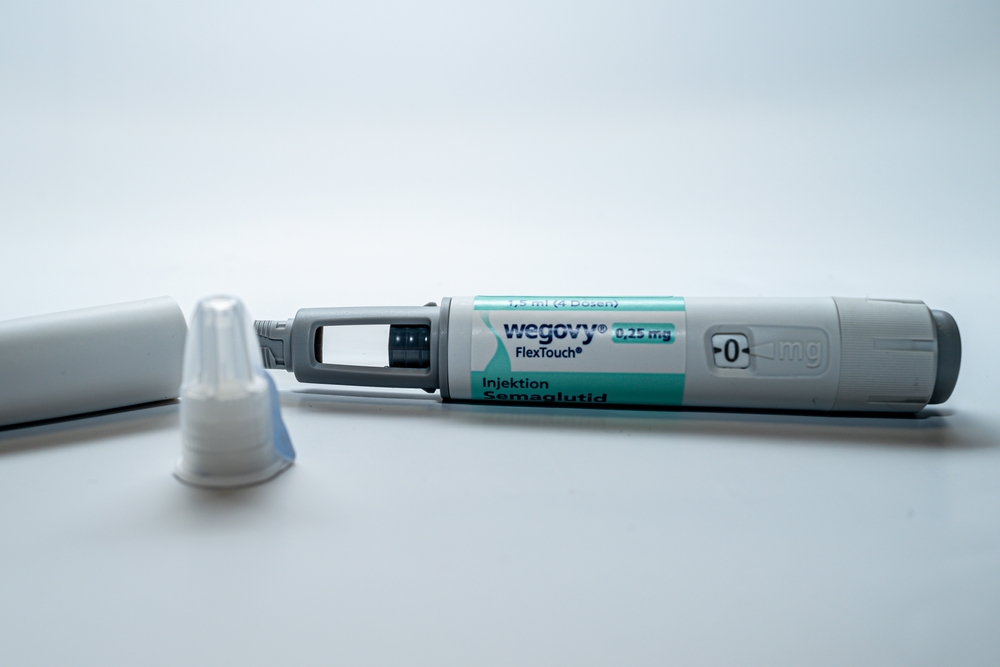
For individuals considering Wegovy without insurance coverage, understanding the full scope of out-of-pocket costs is the first critical step. This guide provides a detailed breakdown of current pricing, how different doses affect your budget, and legitimate strategies to reduce expenses.
Wegovy Out-Of-Pocket Cost Explained
The out-of-pocket cost for Wegovy without insurance is significant, as it is a branded specialty medication. The manufacturer’s list price for a one-month supply (typically one prefilled pen package containing four single-dose pens) is approximately $1,349.02. This translates to a weekly cost of about $337 and an annual expense nearing $16,200.
It is crucial to understand that this is the wholesale acquisition cost (WAC), or “list price.” The final price you pay at the pharmacy counter may differ slightly—sometimes higher, sometimes lower—based on the pharmacy’s pricing policy, location, and any discount programs you use. There are no generic versions of semaglutide for weight loss currently available.
How Wegovy Dosage Impacts Your Monthly Cost
Unlike some medications where cost varies by strength, Wegovy’s pricing is generally flat per package, not per milligram. This means a one-month supply at the starting dose (0.25 mg) costs roughly the same as a one-month supply at the maintenance dose (2.4 mg). The primary financial impact of the dosing schedule is felt during the titration period.
Patients begin on a lower dose and increase monthly to minimize side effects. While the monthly cost remains stable, the total investment before reaching the clinically effective maintenance dose (at month 5) is substantial.
Table: Cost Accumulation Over Wegovy Titration Schedule
| Month | Dose Strength | Approx. Monthly Cost (List Price) | Cumulative Cost |
|---|---|---|---|
| 1 | 0.25 mg | ~$1,349 | ~$1,349 |
| 2 | 0.5 mg | ~$1,349 | ~$2,698 |
| 3 | 1 mg | ~$1,349 | ~$4,047 |
| 4 | 1.7 mg | ~$1,349 | ~$5,396 |
| 5+ (Maintenance) | 2.4 mg | ~$1,349/month | ~$6,745+ |
Factors Affecting Wegovy Pricing Without Insurance
Several variables can cause the final price to fluctuate from the $1,349 list price:
-
Pharmacy Type and Location: Large retail chains, independent pharmacies, and hospital-affiliated pharmacies may have different markup structures. Prices can also vary by state and even by city.
-
Supply Packaging: You are purchasing a sealed box containing four single-dose pens. Pharmacies cannot break the box to sell individual pens.
-
Online Pharmacies: Legitimate online pharmacies (like those affiliated with major retail chains or specialized compounding pharmacies) may offer different prices. Be extremely cautious to verify licensing and avoid illegitimate sources selling non-FDA-approved products.
-
Pharmacy Discount Programs: Many pharmacies have in-house savings clubs or partner with discount card companies, which can sometimes lower the cash price.
Ways To Save On Wegovy Without Insurance
Paying the full list price is often unnecessary. These are the primary avenues to explore for significant savings:
-
Manufacturer Savings Card: Novo Nordisk, the maker of Wegovy, offers a savings card for eligible patients. This can reduce your monthly cost by up to $500, bringing it down to approximately $849 per month. You can obtain this card online at the Wegovy website or through your healthcare provider.
-
Novo Nordisk Patient Assistance Program (PAP): This program may provide medication at no cost to qualifying patients with no insurance and limited financial resources. Eligibility is based on household income relative to the Federal Poverty Level.
-
Pharmacy Discount Cards: Services like GoodRx, SingleCare, or RxSaver negotiate discounts with pharmacies. By entering “Wegovy” and your zip code, you can compare pre-negotiated prices at local pharmacies. These discounts can sometimes be combined with the manufacturer’s card.
-
Step-by-Step Application: To use these savings, first ask your doctor for a prescription. Then, visit the Wegovy website to download the savings card. Use a discount card aggregator website or app to find the best pharmacy price in your area. Present both the savings card and the discount card information to the pharmacist when filling your prescription.
Comparing Wegovy Costs Across Pharmacies
Shopping around is essential. A January 2025 check of discount card prices for a one-month supply of 2.4 mg Wegovy showed notable variations:
-
Large Retail Chains (e.g., CVS, Walgreens): Discounted cash prices often ranged from $1,250 to $1,320.
-
Warehouse Clubs (e.g., Costco, Sam’s Club): Known for competitive prescription pricing, prices were often between $1,200 and $1,280. A membership is typically required.
-
Online Retail Pharmacies (e.g., Amazon Pharmacy): Prices were competitive, sometimes slightly below brick-and-mortar stores, around $1,220 to $1,300. They may offer subscription discounts or free shipping.
Important Note: These are discounted cash prices found via public coupon sites. The actual price you pay depends on the pharmacy’s current policy and your use of additional savings cards.
Budgeting For Wegovy: Plan Your Out-Of-Pocket Expenses
Planning for this recurring expense is critical. Use this framework to create a personal budget:
-
Calculate Your Net Monthly Cost: Start with the pharmacy’s quoted price (e.g., $1,280). Subtract your expected savings from the manufacturer’s card ($500), resulting in a net cost of $780.
-
Factor in Quarterly and Annual Totals: Multiply your net monthly cost by 3 for a quarterly estimate ($2,340) and by 12 for an annual outlook ($9,360).
-
Create a Dedicated Health Savings Line Item: Treat this as a non-negotiable monthly bill. Setting aside money in a dedicated savings account each pay period can make the expense more manageable than a one-time monthly payment.
-
Explore Flexible Spending Accounts (FSAs) or Health Savings Accounts (HSAs): If you have access to these through an employer, you can use pre-tax dollars to pay for Wegovy, effectively reducing your cost by your tax rate.
Key Takeaways For Uninsured Wegovy Users
-
Expect a High List Price: The baseline cost is approximately $1,350 per month, or over $16,000 annually.
-
Dosage Doesn’t Change Price: The cost is per package, so your monthly expense remains consistent throughout treatment.
-
Savings Are Essential and Available: Never pay full price without checking for savings. The manufacturer’s coupon is the first stop, potentially saving $500/month. Always compare prices using discount cards at different pharmacy types.
-
Investigate Patient Assistance: If your income is limited, the Novo Nordisk PAP may provide the medication for free.
-
Budget Proactively: Calculate your net cost, use tax-advantaged accounts if possible, and plan for this as a sustained, long-term healthcare investment.
In Conclusion…
Weight loss pens are prescription injectable devices that deliver medications designed to support appetite regulation and metabolic health. By mimicking natural hormones like GLP-1—or combining GLP-1 with GIP—these treatments help reduce hunger, slow digestion, and support gradual weight loss. While they have become highly visible online, they remain medical treatments that require professional oversight for safety and effectiveness. For the right candidates, weight loss pens can be a valuable tool within a comprehensive, supervised weight management plan.
Schedule a free consultation with Heally today to explore whether Ozempic, Wegovy, or another solution is right for you.
Sources
- CNN: Major insurance changes are coming to GLP-1 drugs for weight loss. Here’s how that could affect patients
- PubMed Central: Comparative Efficacy of Tirzepatide vs. Semaglutide in Reducing Body Weight in Humans: A Systematic Review and Meta-Analysis of Clinical Trials and Real-World Data
- Novo Nordisk: Wegovy Pricing
- Healthinsurance.org: Does health insurance cover drugs used for weight loss such as Ozempic, Wegovy, Mounjaro, and Zepbound?
- Aetna: Specialty Pharmacy Clinical Policy Bulletins, Subject: Wegovy PA Policy 4774-A 08-2022 v2
- Honest Care: Prior Authorization for Wegovy: criteria, process and denials
- FDA Label: OZEMPIC (Semaglutide Injection) Medication Guide
- FDA Label: WEGOVY (Semaglutide Injection) Medication Guide
- FDA Label: RYBELSUS (Oral Semaglutide) Medication Guide
- FDA Label: MOUNJARO (Tirzepatide Injection) Medication Guide
- FDA Label: ZEPBOUND (Tirzepatide Injection) Medication Guide
Important Medical Information and Disclaimers
MEDICAL DISCLAIMER
This information is for educational purposes only and is not intended as medical advice, diagnosis, or treatment recommendation. Semaglutide is the active ingredient in three FDA-approved prescription medications: Ozempic and Rybelsus, approved for improving blood sugar control in adults with type 2 diabetes, and Wegovy, approved for chronic weight management in adults with obesity or overweight who have at least one weight-related medical condition. Although these medications contain semaglutide, they are approved for different uses and have different dosing schedules. Always consult a qualified healthcare provider before starting, stopping, or changing any treatment plan.
INDIVIDUAL RESULTS VARY
Outcomes with semaglutide treatment vary from person to person. Clinical trial data may not reflect typical real-world experiences. A variety of factors can affect your results, including medication adherence, lifestyle habits such as diet and exercise, metabolic differences, other health conditions, and concurrent medications. No specific result is guaranteed.
IMPORTANT SAFETY INFORMATION
Common side effects of semaglutide may include: Nausea, Vomiting, Diarrhea, Constipation, Stomach pain, Decreased appetite, Indigestion, Belching or gas, Injection site reactions
These side effects are often mild and may lessen over time. Always inform your healthcare provider about any medical conditions, allergies, and all medications you are currently taking before starting semaglutide. Ongoing monitoring is recommended during treatment.
WARNING: Semaglutide has a boxed warning about the potential risk of thyroid C-cell tumors. Do not use this medication if you or a family member has a history of medullary thyroid carcinoma (MTC) or Multiple Endocrine Neoplasia syndrome type 2 (MEN 2).
FDA ADVERSE EVENT REPORTING
You are encouraged to report negative side effects of prescription drugs to the U.S. Food and Drug Administration (FDA).
Visit www.fda.gov/medwatch or call 1-800-FDA-1088.
Adverse events may also be reported directly to the manufacturer.