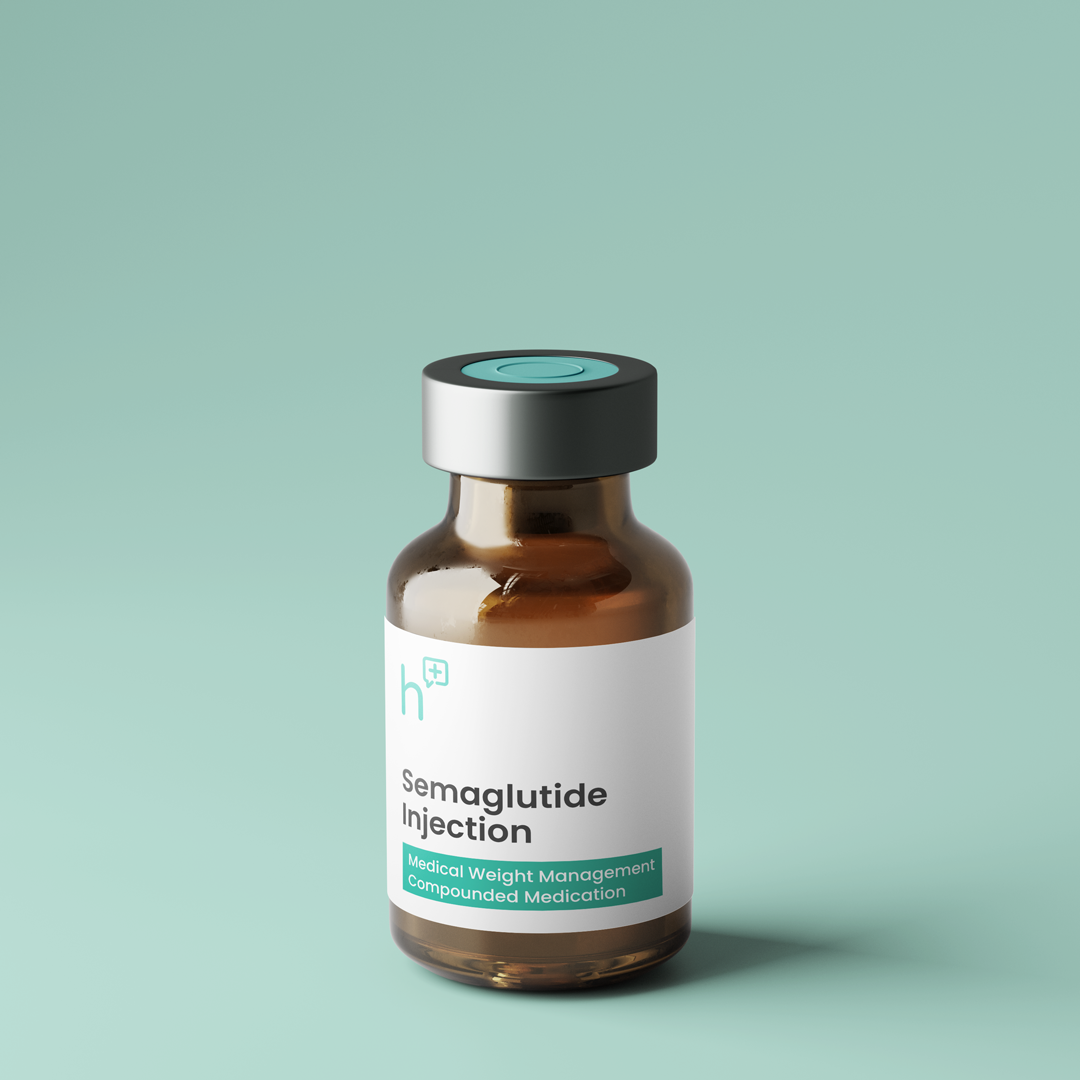
Compounded semaglutide is not the workaround it was in 2023 and 2024. The FDA shortage that made mass compounding legal ended in February 2025, and by September 2026 the agency has spent a year and a half systematically closing the pathways that let telehealth shops sell it at subscription scale. As of this month, large-batch 503B compounding of semaglutide is effectively over, the FDA has proposed permanently barring it, and even patient-specific 503A compounding now requires a real, individually documented medical reason — not a boilerplate note or a B12 add-on.
That doesn’t mean compounded semaglutide vanished overnight. It means the legal room to use it has narrowed to a specific, well-defined space, and most of what filled that space in 2023–2024 no longer qualifies. Here’s exactly where things stand.
Key takeaways
- The FDA resolved the semaglutide shortage in February 2025, ending the exception that let compounding pharmacies mass-produce it.
- 503A enforcement discretion ended April 22, 2025; the 503B window closed May 22, 2025. After those dates, ordinary compounding restrictions apply.
- On April 1, 2026, the FDA reiterated that compounded semaglutide is only exempt from “essentially a copy” restrictions when a prescriber documents a genuine, patient-specific clinical reason — generic justifications don’t qualify.
- The FDA explicitly named semaglutide-plus-B12 as still “essentially a copy” — the most common telehealth workaround no longer holds up.
- On April 30, 2026, the FDA proposed removing semaglutide (and tirzepatide, liraglutide) from the 503B bulks list entirely, which would close large-scale compounding for good. Public comment closed June 29, 2026; a final decision is pending.
- A narrow safe harbor remains: 503A pharmacies filling four or fewer prescriptions per month of an essentially-a-copy formulation are unlikely to face enforcement — but this is discretion, not a legal green light for routine use.
- The FDA has logged 455+ adverse event reports tied to compounded semaglutide and 320+ for compounded tirzepatide, several requiring hospitalization from dosing errors.
- Wegovy self-pay, the Wegovy pill, and manufacturer savings programs have become the practical, lower-risk alternatives for patients priced out of brand-name treatment.
What compounded semaglutide actually is
Compounding is the practice of a licensed pharmacy preparing a customized medication for an individual patient — combining, diluting, or reformulating ingredients rather than dispensing a mass-manufactured, FDA-approved product. It exists for legitimate reasons: a patient allergic to a dye or preservative in Ozempic, or a dosage form the commercial product doesn’t offer.
During 2023 and 2024, semaglutide injection products sat on the FDA’s official drug shortage list. That status triggered a legal exception allowing pharmacies — including large 503B outsourcing facilities — to compound semaglutide in bulk, largely without the individualized justification compounding normally requires. This is the window that produced the wave of $99–$300/month telehealth semaglutide subscriptions, often bundled with vitamin B12 or B6 “for energy”
That window is closed. The shortage is over, and the rules have reverted — then tightened further.
The 2025–2026 timeline, in order
| Date | What happened |
|---|---|
| December 2024 | FDA resolves the tirzepatide shortage |
| February 2025 | FDA resolves the semaglutide shortage |
| April 22, 2025 | 503A enforcement discretion for semaglutide compounding ends |
| April 24, 2025 | Federal court denies the Outsourcing Facilities Association’s injunction request; case proceeds to appeal |
| May 22, 2025 | 503B enforcement discretion window closes |
| April 1, 2026 | FDA clarifies the “essentially a copy” standard; names semaglutide + B12 as non-qualifying |
| April 30, 2026 | FDA proposes removing semaglutide, tirzepatide, and liraglutide from the 503B bulks list permanently |
| June 29, 2026 | Public comment period on the removal proposal closes |
| September 2026 | Proposal remains pending; 503A patient-specific compounding continues under tightened rules |
The lawsuit from the compounding industry hasn’t reversed anything so far — courts have repeatedly declined to block the FDA’s shortage-resolution findings, even while the appeal continues.
The rule that actually matters: “essentially a copy”
Federal law restricts compounding pharmacies from producing a drug that is “essentially a copy” of a commercially available FDA-approved product — unless a specific exemption applies. A compounded product counts as “essentially a copy” when it shares the same active ingredient, the same route of administration, and a similar or easily substitutable strength as the approved drug.
Plain compounded semaglutide injection fits that definition cleanly. It’s chemically the same molecule as Ozempic or Wegovy, injected the same way, at a similar dose. Under ordinary rules, that’s not allowed to be compounded routinely.
The exemption that remains: a prescriber can document that a specific patient has a genuine, individualized clinical reason the FDA-approved product won’t work for them — a documented allergy to an inactive ingredient, for example, or a need for a dosage form that doesn’t exist commercially. This determination has to be made and written down for that one patient. It cannot be a general clinic policy or a template note applied across every patient.
The FDA was explicit in its April 2026 clarification that adding vitamin B12 to semaglutide does not create the kind of difference that qualifies — because a patient could simply take FDA-approved semaglutide and a B12 supplement separately. This closes the most widely used telehealth workaround of the past two years.
The narrow safe harbor: the FDA has said it does not currently intend to pursue enforcement against a 503A pharmacy that fills four or fewer prescriptions per calendar month of an essentially-a-copy compounded formulation. This is enforcement discretion, not a statement that the practice is fully compliant — and it’s a low-volume allowance, incompatible with a subscription telehealth business filling hundreds of prescriptions a month. If you’re unsure whether your current dose even falls within a normal range, our guide on knowing when your GLP-1 dose is too high covers the warning signs.
What the April 30, 2026 proposal would change
Separately from the “essentially a copy” clarification, the FDA proposed removing semaglutide, tirzepatide, and liraglutide from the 503B bulks list — the list of substances outsourcing facilities are allowed to compound from bulk ingredient, independent of shortage status. The agency’s stated reasoning: with FDA-approved products now widely available, including newer high-dose options like Wegovy HD, there’s no demonstrated clinical need for facilities to compound these molecules from scratch.
If finalized, this would foreclose large-batch 503B compounding of semaglutide for good — not just during the current gap, but as a matter of settled policy. The comment period closed June 29, 2026, and a final rule has not yet been issued as of this writing. Prescribers and compounding pharmacies should expect the direction of travel to continue toward restriction, not loosening.
Why the FDA has focused so heavily on enforcement here
This isn’t purely a technical rulemaking story. The FDA’s compounding crackdown followed real, documented harm.
The agency has received more than 455 adverse event reports connected to compounded semaglutide and more than 320 tied to compounded tirzepatide, some serious enough to require hospitalization. A meaningful share trace back to dosing errors and injection site reactions — patients self-administering incorrect amounts from multidose vials that lack the built-in dose control of an FDA-approved pen.
A separate concern involves the compound itself. Some compounders have used semaglutide sodium or semaglutide acetate — salt forms that differ chemically from the active ingredient in Ozempic and Wegovy. The FDA has stated there’s no data confirming these salt forms behave the same way in the body, which means patients using them are, in effect, taking an unstudied variant of the drug.
Neither of these risks is theoretical marketing language — they’re the specific findings the FDA has cited to justify tightening enforcement.
If you’re currently on compounded semaglutide
A few practical points if this applies to you:
Your current supply isn’t automatically illegal to possess or use, but new prescriptions and refills are subject to the tightened rules above. Whether your pharmacy can continue to fill your prescription depends on whether your provider has documented a genuine, patient-specific reason and whether the pharmacy stays within any applicable low-volume threshold.
Ask your provider directly whether your current formulation still qualifies under the current rules, and whether they’re prepared to document an individualized clinical reason if one genuinely exists — most people using compounded semaglutide simply for cost reasons will not meet that bar.
If you were using a plain compounded semaglutide injection or a semaglutide-B12 blend for cost reasons alone, it’s worth assuming that pathway is closing and planning your next step now, rather than waiting for a supply disruption to force the decision.
What to do instead
For most patients who turned to compounded semaglutide because of price, the practical alternatives in September 2026 are meaningfully better than they were two years ago.
- Semaglutide self-pay through the manufacturer. NovoCare sells Wegovy vials directly to self-pay patients, and pricing has come down substantially from list price. Combined with the manufacturer savings card for commercially insured patients, many people pay far less out of pocket than the $1,300+/month list price would suggest.
- The Wegovy pill. Oral semaglutide 25 mg, launched January 2026, starts at a self-pay price well below injectable list price and removes the injection entirely for patients who found that a barrier.
- Insurance and prior authorization. Coverage for Wegovy has broadened since 2024. If you haven’t checked your current formulary, it’s worth a fresh look — plans that excluded weight-loss GLP-1s two years ago have, in many cases, added coverage since.
- Switching to an FDA-approved product with your provider’s help. If you’re currently on compounded semaglutide, your Heally provider can review your dose and guide a transition to Wegovy or Ozempic without restarting the entire titration process from zero.
If tirzepatide is more relevant to your situation, the same shortage-resolution logic applies to it on a similar timeline — see our guide on getting tirzepatide covered by insurance for that side of the picture, and our breakdown of Zepbound’s savings card program for self-pay options.
Conclusion
Compounded semaglutide’s legal footing has shrunk from “widely available during a documented national shortage” to “a narrow exemption for individual patients with a genuine, provider-documented medical reason.” The mass-market telehealth version of compounded semaglutide — the $150/month vial with a B12 add-on — no longer fits within the rules the FDA has spent 2025 and 2026 clarifying and enforcing, and a pending proposal would close the door further.
None of this means treatment is out of reach. Brand-name semaglutide is more accessible on price than it was two years ago, between manufacturer self-pay programs, the oral pill option, and expanding insurance coverage. For most patients, that’s now the more reliable — and more thoroughly studied — path.
If you want to review your current treatment and understand your options under the current rules, book a free consultation with Heally — licensed providers can walk through what’s appropriate for your situation and get you started on an FDA-approved option same-day.
FAQ
Is compounded semaglutide still legal in 2026?
In narrow circumstances, yes. A 503A pharmacy can compound it for an individual patient when the prescriber documents a genuine, patient-specific clinical reason the FDA-approved product won’t work — not simply for cost. Routine compounding without that documentation, especially at telehealth-subscription scale, falls outside what the FDA currently allows.
Why did compounded semaglutide become illegal?
It didn’t become illegal outright — the legal exception that allowed mass compounding was tied to an official FDA drug shortage, which ended in February 2025. Once the shortage was resolved, compounding reverted to its normal, much narrower rules, which the FDA has since clarified and tightened further through 2026.
Does adding B12 to compounded semaglutide make it legal?
No. The FDA specifically addressed this in its April 2026 clarification and stated that a semaglutide-plus-B12 combination still counts as “essentially a copy” of the approved drug, because a patient could take semaglutide and a B12 supplement separately. This was the most common workaround used by telehealth compounding providers, and it no longer qualifies.
What is the 503B bulks list, and why does it matter?
It’s the FDA’s list of substances outsourcing facilities may compound from bulk ingredient outside of a shortage. Semaglutide isn’t currently on it. The FDA has proposed formally excluding it (along with tirzepatide and liraglutide), which would permanently close large-scale 503B compounding of these drugs regardless of future shortage status.
Is compounded semaglutide safe?
The FDA has logged more than 455 adverse event reports connected to compounded semaglutide, some requiring hospitalization, largely from dosing errors with multidose vials. Some compounded versions have also used semaglutide salt forms (sodium or acetate) that differ from the approved drug’s active ingredient and haven’t been studied for equivalence.
What should I do if I’m currently using compounded semaglutide?
Talk to your provider about whether your prescription still meets the current documentation requirements, and ask about transitioning to an FDA-approved option like Wegovy, the Wegovy pill, or Ozempic if it doesn’t. A provider can typically guide this switch without restarting your titration schedule from the very beginning.
Are there cheaper legal alternatives to compounded semaglutide now?
Yes. Manufacturer self-pay pricing for Wegovy has dropped substantially since 2024, the Wegovy pill offers a lower-cost oral option, and insurance coverage for weight-loss GLP-1s has broadened. For many patients, the out-of-pocket gap between compounded and brand-name semaglutide is smaller than it was two years ago.
Is compounded tirzepatide in the same situation?
Largely yes, on a slightly earlier timeline — the tirzepatide shortage resolved in December 2024, a few months before semaglutide’s. The same “essentially a copy” standard, the same April 2026 clarification, and the same proposed 503B bulks list removal apply to it as well.
Related reading on Heally:
- How to get tirzepatide with insurance: a complete 2026 guide
- How to use the Zepbound savings card: a complete 2026 discount guide
- Wegovy pill dosage guide: how to take oral semaglutide correctly
- Semaglutide dosing guidelines: a complete schedule for 2026
- Semaglutide in 2026: usage trends and which brands lead
Sources
- Orrick — FDA moves to shut the door on large-scale compounding of GLP-1 drugs
- Pharmacy Times — FDA moves to permanently close the door on compounded GLP-1s
- Foley & Lardner — FDA clarifies policies for pharmacy compounders of GLP-1 products
- National Law Review — FDA offers additional clarification on compounded GLP-1 policy
- National Association of Boards of Pharmacy — FDA clarifies policies for compounding drugs under Sections 503A and 503B
- FDA — Compounding and the FDA: questions and answers
Medical disclaimer: This article summarizes public regulatory developments as understood in September 2026 and is not legal advice. Compounding rules are subject to further change, including a pending FDA rulemaking. This article does not replace medical advice. Always consult a licensed healthcare provider before starting, stopping, or changing any prescription medication.