


Get Sermorelin Therapy Online
Who can benefit from Sermorelin therapy?
Popular Longevity Drugs You Can Get Online
Discover the latest in anti-aging medications.
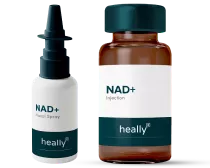
NAD+
NAD+ is a naturally occurring molecule found in every cell of your body that helps convert food into energy. Think of it as a key worker in your cells' power plants, helping to keep everything running smoothly. As we age, our bodies tend to produce less NAD+, which has made it a focus of aging research. Scientists are studying how this decline in NAD+ levels might be connected to the way our cells change as we get older.
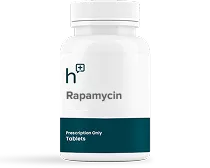
Rapamycin
Rapamycin, initially used as an immunosuppressant, has garnered attention for its ability to delay aging by inhibiting the mTOR pathway, which plays a crucial role in the aging process. Its effectiveness in extending lifespan in various organisms highlights its potential as an anti-aging therapy.
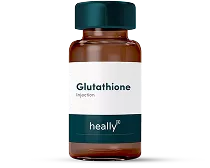
Glutathione
Glutathione is a powerful antioxidant naturally produced in the body that plays a critical role in neutralizing free radicals, supporting immune function, and detoxifying harmful substances. It has been closely linked to cellular health and longevity due to its ability to reduce oxidative stress and inflammation—two key drivers of aging and age-related diseases. Research suggests that enhancing glutathione levels may contribute to improved health span and longevity.
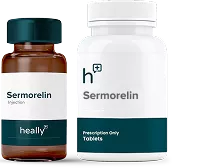
Sermorelin
Sermorelin is a synthetic peptide that stimulates the natural production of growth hormone in the body. It works by interacting with the pituitary gland, the small organ in your brain that controls various hormones. As we age, our natural growth hormone production typically declines, and researchers are studying how compounds like sermorelin might influence this age-related process. Scientists are exploring its relationship to various aspects of aging and cellular health.
Methylene Blue
Methylene blue is a synthetic dye compound that has been studied for its cellular effects. It works by helping the mitochondria - your cells' energy factories - produce energy more efficiently. While traditionally used in laboratory settings, researchers are exploring this compound's relationship to cellular health and energy production. Scientists are particularly interested in studying how it interacts with aging-related cellular processes.
Metformin
Metformin, widely recognized for its diabetes management capabilities, has shown promise in extending lifespan by improving insulin sensitivity and reducing inflammation. Its safety profile and potential anti-aging effects make it a compelling option for those looking to add healthy years to their life.
Each of these medications offers a unique approach to tackling the aging process, promising improved health spans and enhanced quality of life when used under the guidance of a longevity doctor. Explore these options further and consult with a healthcare provider to determine the best course of action for your longevity regimen.

What to expect with Sermorelin therapy
Schedule AppointmentMost patients notice the earliest changes within the first few weeks — improved sleep is often the first thing people mention, followed by a gradual lift in energy. As the body adjusts to treatment, better post-workout recovery and increased vitality tend to follow.
More meaningful shifts in body composition generally take 3 to 6 months of consistent use. Results vary by individual, and most patients find the therapy works best alongside regular exercise and good nutrition.

Patient Experiences
Real patient experiences with Sermorelin therapy:


How to get a Sermorelin prescription online
Getting your sermorelin prescription online through Heally is a simple three-step process
Book Consultation


Why consider Sermorelin therapy for overall wellness?

What is the cost of Sermorelin therapy?
- Detailed medical evaluation
- Personalized treatment planning
- Direct Home Delivery
- Follow-up support as needed
- No Membership Fee/Hidden Cost
- Lab Testing Available at Extra Cost
What is Sermorelin?


Sermorelin side effects
The most common reactions are mild and localized — injection site redness, occasional headaches, or temporary joint discomfort. These typically resolve on their own within the first few weeks as your body adjusts to treatment. Men and Women respond similary in this regard.
Your Heally provider monitors your response and can adjust dosing if needed — you're not managing this alone. That said, sermorelin isn't the right fit for everyone. Schedule a free consultation to discuss your health history and find out if you're a good candidate.

Ready to explore Sermorelin therapy?


How does Sermorelin work?
Sermorelin acts as a biological signal to your pituitary gland, prompting it to increase your body's own natural growth hormone production — rather than replacing hormones directly. This makes it a fundamentally different approach from synthetic hormone treatments. Published research suggests this approach helps preserve the body's natural hormonal feedback mechanisms, which direct hormone replacement bypasses. For a full breakdown of the mechanism, read our detailed guide on how sermorelin works.
Sermorelin therapy is typically a good fit for adults who are experiencing:
- Declining energy or persistent fatigue
- Slower recovery after exercise
- Disrupted or poor-quality sleep
- Gradual loss of lean muscle mass
- Interest in hormone optimization without synthetic hormones
Most candidates are adults 30 and older whose natural growth hormone levels have begun to decline. Your provider will confirm eligibility during your free consultation.
What to expect and when
- Weeks 1–2: Improved sleep quality and early energy shifts
- Months 1–2: Better workout recovery, increased stamina
- Months 3–6: Noticeable changes in body composition, lean muscle, and sustained energy
Results develop gradually and are typically strongest when combined with consistent exercise and good nutrition.
How does Sermorelin compare to other hormone treatments?
If you've been researching hormone optimization, you've likely come across TRT (Testosterone Replacement Therapy) and Enclomiphene. Here's how they differ:
| Sermorelin | TRT | Enclomiphene | |
|---|---|---|---|
| Mechanism | Stimulates your body's own GH production | Replaces testosterone externally | Stimulates your body's own testosterone production |
| Effect on natural production | Preserves and supports it | Suppresses it over time | Preserves and supports it |
| Side effects | Generally mild; injection site reactions | Can include testicular atrophy, fertility impact | Generally mild; headache, nausea in some cases |
| Who it's for | Men and women 30+ | Primarily men with clinically low testosterone | Men seeking to restore natural testosterone |
| Cost | From $170/1st month | $149/Month | $199/Month |
Not sure which treatment is right for you? Your provider can help you compare options during your free consultation.

How to use Sermorelin safely
- Learn how to inject sermorelin from your healthcare provider
- Follow recommended sermorelin dosage precisely
- Rotate between different sermorelin injection sites
- The best place to inject sermorelin is typically the abdomen
- Store medication properly according to instructions
- Always use clean technique for injections
FAQs
Learn more about sermorelin




With more than 30 years of physician practice in Obstetrics and Gynecology, Dr. Niles has extensive experience in hormone-related treatments and women's health. She reviews sermorelin treatment information to ensure patients receive accurate, medically sound guidance on peptide therapies and their potential benefits for supporting natural growth hormone production and overall wellness. Dr. Niles is committed to helping patients make informed decisions about longevity treatments through evidence-based medicine.