


Get a Zepbound Prescription for Weight Loss
Zepbound (tirzepatide) is an FDA-approved medication for chronic weight management. Clinical studies show that it can help with weight loss when combined with diet and exercise. A licensed provider can decide if medication is right for you. If prescribed, you may qualify for coupons or discounts to lower your costs. Our platform connects you with healthcare professionals who can help determine if Zepbound fits your weight loss plan.

Weight Loss Results with Zepbound
Zepbound is a medication prescribed for adults with obesity or excess weight and weight-related medical problems. Together with diet and exercise it may support long-term weight loss. In clinical trials like SURMOUNT-1, some patients lost up to 22.5% of their body weight after 72 weeks of treatment. How long does it take to see results after Zepbound? Some participants started seeing results after a few weeks, with more significant changes appearing over several months.
tirzepatide for weight loss regimen.
Not sure which GLP Medication is right for you?
Speak to our care team today!
GLP-1 Medications for Weight Loss
Price starts at $299 from Eli Lilly Direct and shipped directly to your home. No insurance necessary. Zepbound (tirzepatide) is an FDA approved weight loss medication that targets both GLP-1 and GIP receptors. In contrast to Semaglutide, which solely focuses on the GLP-1 receptor, Zepbound’s innovative approach not only aids in significant weight loss but also enhances overall metabolic health more effectively.

Ozempic whose active ingredient is semaglutide, is FDA approved for type 2 diabetes, has shown to promote weight loss. Studies indicate that, on average, people using Ozempic for weight loss experience a 5-15% weight loss when combined with healthy lifestyle changes such as diet and exercise.

Wegovy, designed specifically for weight management comes as a once-weekly injection with a higher dosage than Ozempic, resulting in more substantial weight loss. In clinical trials, individuals using Wegovy for weight loss experienced an average weight loss of 15%.

Rybelsus is the brand name for oral semaglutide, a pioneering medication designed for the management of type 2 diabetes. It is the first GLP-1 receptor agonist available in a tablet form, eliminating the need for injections. Rybelsus works by enhancing insulin secretion, suppressing appetite. Rybelsus is not FDA approved for weight loss.

Mounjaro (tirzepatide) is a medication that acts on both GLP-1 and GIP receptors, offering a dual mechanism to enhance weight loss and improve glucose control, making it distinct from other semaglutide treatments like ozempic for weight loss.

Liraglutide is a GLP-1 receptor agonist medication used for weight management and type 2 diabetes treatment. Available under brand names Victoza (for diabetes) and Saxenda (for weight loss), it helps regulate blood sugar and reduce appetite. Compounded liraglutide offers a customized approach to weight loss, working by mimicking a natural hormone that targets areas of the brain controlling appetite and food intake.

Zepbound Mechanism of Action for Weight Management
It mimics two natural hormones, GLP-1 and GIP , that help control appetite and fullness. It activates specific receptors to help you feel full sooner and stay full longer. This can lead to lower calorie intake and gradual weight loss. This drug supports long-term weight management when used with a reduced-calorie diet and regular physical activity.

Get a Zepbound Prescription Online
If eligible, you can use Heally’s telehealth platform to connect with doctors and, if appropriate, get prescriptions for Zepbound weight loss treatment. Just sign up and connect with a licensed healthcare provider. The physician will review your health history and decide if Zepbound (tirzepatide) is right for you. If prescribed, your medication ships straight to your door from a licensed pharmacy.
Heally is not affiliated with or endorsed by Eli Lilly, the manufacturer of Zepbound. We connect you with licensed providers who may prescribe these medications when medically appropriate.
Zepbound doctors and providers

Dr. Krasne

Dr. Niles

Dr. Cheryl
Zepbound Coupons and Discounts
Eligible patients may qualify for the Zepbound Savings Card from the manufacturer, Eli Lilly. This card may reduce your cost significantly, both for the first month and future refills. Savings depend on your insurance status and eligibility.
Some participating pharmacies offer discounted Zepbound packages. These options can reduce your overall treatment cost.
Heally’s platform supports FSA, HSA, and Sezzle payment plans. These tools can make treatment more affordable and easier to manage.
Not sure how to reduce the cost of Zepbound without insurance? Speak with a licensed healthcare provider on Heally to explore your prescription and discount options.


- Unlimited 1:1 provider consults specializing in weight loss
- Prescription sent to local pharmacy (LillyDirect if applicable)
- For those eligible for Zepbound there is an additional for the medication starting at $299, based on current offers at Eli Lilly (depending on dosage)
Packages are available at discounted rates.
Why Choose Heally to Buy Zepbound?
Heally is a leading telehealth platform designed to simplify access to FDA-approved weight loss treatments. Through Heally, eligible patients can consult with licensed healthcare providers and if prescribed, the prescription can be sent to Lilly Direct who deliverZepbound directly to your home.
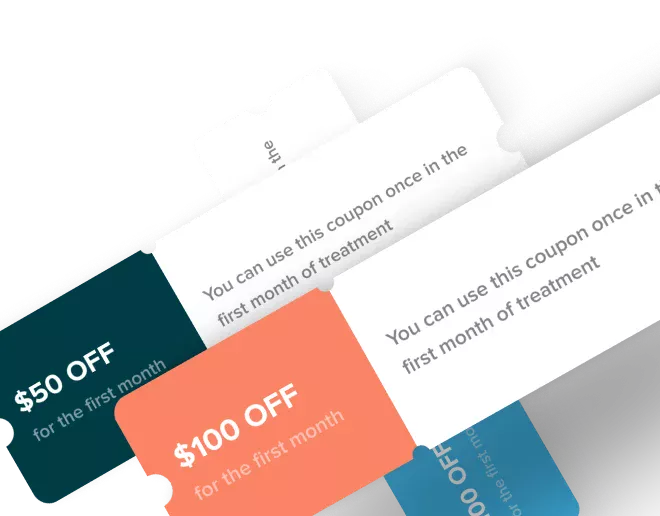
Savings Opportunities
Guidance From Licensed Providers
Fast, Convenient Access

100% Online Process
healthcare solutions, and a patient-first approach. Click here to start your Mounjaro journey on Heally.
Brief Dosage Guide for Zepbound
Understanding your Zepbound dosage is key to safe and effective use. Zepbound is available in multiple dosing options and prefilled pens and now in vial form. Always follow your provider’s instructions exactly as prescribed.
Zepbound Initial Dose:
- Zepbound is a once-weekly injection used for chronic weight management. It comes in a prefilled pen with different dose strengths. Or in a single vial with 4 doses.
- Most people start with 2.5 mg once a week . This is not a weight loss dose but helps your body adjust. Your provider may increase the dose every 4 weeks based on how well you tolerate it and how your body responds.
- Always follow your provider’s instructions. Never change your dose without medical advice.
Zepbound Average Dose:
The drug is available in multiple dose strengths. After starting at 2.5 mg once a week, if deemed appropriate by their provider, patients gradually increase their dose every 4 weeks.
The most common ongoing doses are:
- 10 mg once a week
- 15 mg once a week (maximum dose)
Your provider will choose the right dose based on your goals, side effects, and progress. Higher doses have shown more weight loss in clinical trials , but results vary. Side effects are possible after increasing a dose . Always follow your provider’s plan and do not adjust the dose on your own.
Zepbound Maximum Dose:
- The maximum dose of Zepbound is 15 mg once a week. This is the highest approved dose for chronic weight management.
- Patients usually reach this dose gradually. Providers often increase the dose every 4 weeks, starting from 2.5 mg, depending on how your body responds and how well you tolerate side effects.
- Never increase your dose without your provider’s guidance. Always follow your prescribed treatment plan.
- Some patients on the max dose of Zepbound may experience stronger side effects like nausea, diarrhea, vomiting, or fatigue, especially after dose increases. These effects often improve over time but should be discussed with your provider if they persist.
Zepbound Missing Dose:
If you miss a dose of Zepbound, take it as soon as you remember within 4 days. If more than 4 days have passed, skip the missed dose and take your next dose on the scheduled day. Do not take two doses at once.
-
Zepbound is FDA-approved for chronic weight management in adults with obesity or overweight and at least one weight-related condition such as type 2 diabetes, hypertension, or high cholesterol.
-
Each Zepbound pen contains a specific dose. The vials contain enough for 4 weekly injections. It’s important to follow your provider’s instructions for proper use and ensure timely refills for continuous treatment.
-
Only a licensed healthcare provider can determine the appropriate Zepbound dose and frequency based on your individual health profile.
-
Your provider may adjust your dosage depending on your response and any side effects.
-
Take medication exactly as prescribed. Skipping Zepbound doses or changing your schedule without medical supervision can affect results and safety.
-
Consistency is key. Set reminders to ensure regular weekly dosing and maintain treatment effectiveness.
Your treatment plan should be customized to
your health profile, with ongoing monitoring by a licensed provider to ensure the best possible results.
Zepbound Contraindications
When considering Zepbound treatment, it is important to be aware of certain contraindications and precautions to ensure safe and effective use. Here are key considerations:
-
Zepbound and Alcohol:
Alcohol consumption may affect how your body responds to Zepbound and could increase the risk of certain side effects. Patients should discuss alcohol use with their healthcare provider while on treatment.
-
Zepbound and Other Medications:
Zepbound may interact with other medications, potentially impacting its effectiveness or side effect profile. Always inform your healthcare provider about all medications and supplements you are taking before starting Zepbound.
-
Zepbound and Pregnancy:
Zepbound should not be used during pregnancy. Women who are pregnant, planning to become pregnant, or breastfeeding should consult their healthcare provider to discuss treatment options.
-
Zepbound and Severe Liver Disease:
Use of Zepbound is not recommended for patients with severe liver disease due to limited safety data and potential risks. Please consult your healthcare provider for personalized advice.
It's essential to discuss your health history and any medications you're taking with your healthcare
provider to ensure Zepbound is a safe option for you.
Zepbound Side Effects
While Zepbound may support weight management, it is important to be aware of possible side effects associated with its use. Below are some commonly reported and less common side effects.
-
Zepbound and Nausea
Many patients experience nausea during the first weeks of using Zepbound. This is a common side effect as your body adjusts to the medication. Nausea usually lessens over time. If it becomes severe or lasts too long, talk to your healthcare provider.
-
Zepbound and Hair Loss
Some users may experience hair thinning or loss while taking Zepbound, although this is less common.
-
Zepbound and Headache
Some patients may experience headaches while taking Zepbound. These headaches are usually mild to moderate and often occur during the first few weeks of treatment or after dose increases. Headaches typically improve as your body adjusts to the medication. If headaches are severe or persistent, talk to your healthcare provider.
-
Zepbound and Fatigue
Some patients may feel tired or fatigued while taking Zepbound. This can affect daily activities. If fatigue is severe or lasts long, talk to your healthcare provider.
-
Zepbound and Diarrhea
Diarrhea is a common side effect of Zepbound, especially during the first weeks of treatment or after dose increases. It usually lasts a few days to weeks. Staying hydrated and adjusting your diet can help manage symptoms.
-
Zepbound and Pancreatitis:
Pancreatitis is a rare but serious side effect of Zepbound. It causes inflammation of the pancreas. Symptoms include severe belly pain, nausea, vomiting, and fever. If you notice these signs, stop using Zepbound and get medical help right away. Always tell your healthcare provider if you have a history of pancreatitis before starting Zepbound.
It is important to discuss potential benefits and risks of Zepbound with your healthcare provider to determine if it is appropriate for you. Always report any severe or persistent symptoms promptly. For a full list of potential side effects, refer to the official prescribing information.
Zepbound and Other Brands for Weight Loss
Choosing the right medication for weight loss can be challenging. Here's how Zepbound (tirzepatide) compares with other leading weight loss medications:
-
Zepbound (tirzepatide) vs. Wegovy (semaglutide)
Zepbound and Wegovy are both effective FDA-approved medications for weight loss but differ in their mechanisms and specific FDA approvals. Zepbound is approved for its innovative approach to weight loss, utilizing the dual action on GLP-1 and GIP receptors. This dual mechanism not only suppresses appetite but also enhances insulin secretion and overall metabolic efficacy, leading to significant weight reduction and metabolic health improvements. Wegovy, on the other hand, specifically targets the GLP-1 receptor alone, focusing primarily on appetite suppression and calorie intake reduction, which has also shown to be highly effective in clinical trials for substantial weight loss.
-
Zepbound (tirzepatide) vs. Mounjaro (tirzepatide)
Zepbound and Mounjaro contain the same active ingredient, tirzepatide, but are approved for different uses. Zepbound is FDA-approved specifically for chronic weight management, while Mounjaro is approved for blood sugar control in adults with type 2 diabetes, with weight loss considered a secondary benefit. Selection between these treatments should be based on individual health needs and guided by a healthcare provider.
-
Zepbound (tirzepatide) vs. Ozempic (semaglutide)
Both Zepbound and Ozempic can support weight loss, but they work differently. Zepbound activates both GLP-1 and GIP receptors, while Ozempic targets GLP-1 receptors only. These differences may affect how each medication works for you.
-
Trulicity (dulaglutide) vs. Zepbound (tirzepatide)
Trulicity and Zepbound both act on GLP-1 receptors. Zepbound also targets GIP receptors, which may contribute to additional weight loss benefits. Talk with your provider about which medication fits your health needs.
-
Rybelsus (semaglutide) vs. Zepbound (tirzepatide)
Rybelsus is an oral semaglutide medication for type 2 diabetes. Zepbound is an injectable medication that targets both GLP-1 and GIP receptors. Both medications are FDA-approved for diabetes, but their delivery methods and mechanisms differ. Individual results may vary.
-
Saxenda (liraglutide) vs. Zepbound (tirzepatide)
Saxenda and Zepbound are both injectable treatments approved for weight management. Saxenda targets GLP-1 receptors, while Zepbound activates both GLP-1 and GIP receptors. Consult your healthcare provider to find the best option for your weight management goals.
FAQ: Zepbound 101
-
What is Zepbound?
Zepbound is an FDA-approved medication for weight loss that utilizes a dual mechanism targeting both GLP-1 and GIP receptors, designed to improve metabolic health and reduce body weight.
-
How does Zepbound work for weight loss?
Zepbound works by mimicking natural hormones that regulate hunger and insulin levels, effectively reducing appetite and enhancing metabolic function, which leads to significant weight loss..
-
How to get Zepbound?
Zepbound can be prescribed by a healthcare provider who deems it appropriate based on your health needs. It typically requires a consultation and a prescription.
-
What insurance covers Zepbound?
Coverage for Zepbound varies by insurance provider and plan. It's best to contact your insurance company directly to find out if Zepbound is covered under your specific plan.
-
What is Zepbound used for?
Zepbound is used primarily for managing obesity. It helps individuals lose weight by reducing appetite and improving insulin sensitivity.
-
How much does Zepbound cost?
The cost of Zepbound can vary widely depending on factors like insurance coverage and pharmacy pricing. Without insurance, the cost may be higher.
-
How to inject Zepbound?
Zepbound is injected subcutaneously, typically into the abdomen, thigh, or upper arm. Always follow the specific instructions provided with your prescription.
-
Who makes Zepbound?
Zepbound is manufactured by a Eli lilly, a company that specializes in metabolic health medications. The company’s name should be listed on the medication packaging.
-
Where to inject Zepbound?
Zepbound should be injected into areas with subcutaneous fat such as the abdomen, thigh, or upper arm, avoiding muscles and veins.
-
How to use Zepbound?
Use Zepbound according to your healthcare provider’s instructions. It is typically administered once a week by injection, using the pre-filled pens.
-
How much weight can you lose with Zepbound?
Weight loss with Zepbound can vary, but some users have reported losing up to 20% of their body weight during clinical trials.
-
How to dose Zepbound for effective weight loss?
The dosing of Zepbound should be determined by a healthcare provider based on your specific health conditions and weight loss goals.
-
How does Zepbound help you lose weight?
Zepbound helps reduce weight by enhancing satiety, reducing calorie intake, and improving metabolic functions through its effects on hormones that control appetite and insulin.
-
How long do Zepbound side effects last?
Side effects from Zepbound, such as nausea and diarrhea, are usually temporary and often subside as your body adjusts to the medication
-
How quickly does Zepbound work?
Some individuals may notice effects within a few weeks, with significant weight loss typically observed within the first three to six months of consistent use.
-
What are common side effects after Zepbound?
Side effects of tirzepatide can include nausea, diarrhea, vomiting, decreased appetite, and potential risks of thyroid C-cell tumors. Full list of side effects can be found here
-
How much is Zepbound with insurance?
The cost of Zepbound with insurance can vary; contact your insurance provider to determine the exact price under your plan..
-
How long does Zepbound take to work?
Zepbound generally begins to show effects within a few weeks, with optimal results becoming apparent after several months of consistent use.
-
How to get a Zepbound prescription?
A Zepbound prescription can be obtained through a consultation with a healthcare provider who will evaluate if it is appropriate for your situation.
-
What is the difference between Mounjaro and Zepbound?
While both medications act on similar hormonal pathways for weight management, Zepbound is specifically FDA-approved for weight loss, whereas Mounjaro is targeted primarily at managing type 2 diabetes with weight loss as a secondary benefit
Zepbound Health And News

Zepbound Dosing Schedule for Safe Weight Loss
The Zepbound weight loss drug has been making waves as the new go-to for shedding those stubborn extra pounds…

Will My Insurance Cover Zepbound?
Zepbound has rapidly emerged as a leading weight loss medication. Its weight loss results are so impressive, that it was fast-tracked for FDA approval…

What does FDA approval mean for Zepbound?
The recent announcement that the FDA approves a new weight loss drug Zepbound from Eli Lilly...
With more than 30 years of physician practice in the Obstetrics and Gynecology specialty, Dr. Niles is recognized as a leading authority on the delivery of quality medical care. She has a well-established and respected history of worldwide medical collaboration, research, philanthropy, and distinguished leadership.
Important Disclaimers
Disclaimer: Individual results may vary. Zepbound® (tirzepatide) is FDA-approved for chronic weight management in adults with obesity or overweight and at least one weight-related condition. Weight loss outcomes depend on medical history, diet, physical activity, and adherence to the treatment plan.
Zepbound® and Mounjaro® are registered trademarks of Eli Lilly and Company. Ozempic®, Wegovy®, Rybelsus®, and Saxenda® are registered trademarks of Novo Nordisk A/S. Trulicity® is also a trademark of Eli Lilly. This website is not affiliated with or endorsed by these manufacturers. Brand names are used solely for educational and comparative purposes.
This content is for general informational purposes only and does not constitute medical advice. Always consult with a licensed healthcare provider to determine if Zepbound is appropriate for your medical condition or weight management goals.
Common side effects of tirzepatide may include nausea, diarrhea, vomiting, decreased appetite, constipation, fatigue, and headache. Serious risks include pancreatitis, gallbladder problems, thyroid C-cell tumors, and depression. Do not use if you or a family member has a history of medullary thyroid carcinoma (MTC) or Multiple Endocrine Neoplasia syndrome type 2 (MEN 2). Zepbound is not recommended during pregnancy or while breastfeeding.
Some content may reference Zepbound in comparison to other medications for weight loss or diabetes. These comparisons are for informational purposes and do not imply endorsement of off-label use. All medication decisions should be made with a licensed healthcare provider.
Prices, insurance coverage, and eligibility for coupons or savings cards vary. Heally and third-party pharmacies may offer different packages. Manufacturer offers, such as the Eli Lilly Zepbound Savings Card, are subject to change and individual qualification.
Zepbound should be stored in a refrigerator at 36°F to 46°F (2°C to 8°C) until use. Do not freeze. Once opened, it may be stored at room temperature below 86°F (30°C) for up to 28 days. Follow your provider's dosing instructions and injection guidance exactly.
For complete safety and prescribing information, see the official FDA documentation:
Data Last Updated 07/16/2025