


Get an Ozempic Prescription Online
Consult a weight loss doctor online and, if relevant, get a prescription for Ozempic (semaglutide). While Ozempic is FDA-approved for diabetes, some providers prescribe it off-label for weight loss. Ozempic has been shown to reduce appetite and support weight management. If you wish to start losing weight with expert medical support, join Heally. No in-person visits needed, everything is done online. Get access to your prescription along with exclusive coupons and discounts to lower your costs at Heally. Book your online consultation now and take control of your health and weight.

Weight loss results after Ozempic
While Ozempic is FDA-approved for managing type 2 diabetes, it is sometimes prescribed off-label for weight loss. It has been shown to support weight loss in many patients, especially when combined with healthy lifestyle changes. In clinical studies, people taking Ozempic 1 mg weekly for type 2 diabetes lost an average of 4 - 6% of their body weight over several months. Individual results vary based on factors like starting weight, diet, physical activity, and adherence to the treatment plan. Many users begin to see visible changes within 8 to 12 weeks. A licensed provider can help determine if it's the right option for your goals and may offer guidance on how to use it safely and effectively.
Not sure which GLP Medication is right for you?
Speak to our care team today!
GLP-1 Medications for Weight Loss
Price starts at $350 from Eli Lilly Direct and shipped directly to your home. No insurance necessary. Zepbound (tirzepatide) is an FDA approved weight loss medication that targets both GLP-1 and GIP receptors. In contrast to Semaglutide, which solely focuses on the GLP-1 receptor, Zepbound’s innovative approach not only aids in significant weight loss but also enhances overall metabolic health more effectively.

Ozempic whose active ingredient is semaglutide, is FDA approved for type 2 diabetes, has shown to promote weight loss. Studies indicate that, on average, people using Ozempic for weight loss experience a 5-15% weight loss when combined with healthy lifestyle changes such as diet and exercise.

Wegovy, designed specifically for weight management comes as a once-weekly injection with a higher dosage than Ozempic, resulting in more substantial weight loss. In clinical trials, individuals using Wegovy for weight loss experienced an average weight loss of 15%.

Rybelsus is the brand name for oral semaglutide, a pioneering medication designed for the management of type 2 diabetes. It is the first GLP-1 receptor agonist available in a tablet form, eliminating the need for injections. Rybelsus works by enhancing insulin secretion, suppressing appetite. Rybelsus is not FDA approved for weight loss.

Mounjaro (tirzepatide) is a medication that acts on both GLP-1 and GIP receptors, offering a dual mechanism to enhance weight loss and improve glucose control, making it distinct from other semaglutide treatments like ozempic for weight loss.

Liraglutide is a GLP-1 receptor agonist medication used for weight management and type 2 diabetes treatment. Available under brand names Victoza (for diabetes) and Saxenda (for weight loss), it helps regulate blood sugar and reduce appetite. Compounded liraglutide offers a customized approach to weight loss, working by mimicking a natural hormone that targets areas of the brain controlling appetite and food intake.

How does Ozempic help you lose weight?
Ozempic (semaglutide) helps you lose weight by mimicking a natural hormone called GLP-1 (glucagon-like peptide-1). This hormone affects areas in your brain that control appetite and food intake. Ozempic slows down stomach emptying, which makes you feel full longer after eating. It also reduces hunger signals, helping you eat less. Additionally, Ozempic helps regulate blood sugar levels by increasing insulin release when needed and lowering the amount of sugar produced by the liver. Together, these effects support weight loss by reducing calorie intake and improving metabolism.
Reviews about Ozempic use and results
Many people using Ozempic report steady weight loss, reduced appetite, and better portion control. They often feel full sooner and have fewer cravings, especially for sweets and carbs. Most start noticing results within the first few months, especially when combined with healthy eating and regular activity. Alongside the benefits, some users experience side effects such as nausea, stomach pain, constipation, diarrhea, or fatigue, especially in the early weeks. These effects are usually mild and temporary. For many, the appetite control and consistent weight loss outweigh the initial discomfort.
"Ozempic was a lifeline. Just three months in, my diabetes is in control and I've shed 20 pounds, feeling more alive and motivated to hit the gym!"

"Never thought a medication could redefine my relationship with food. Heally program along with Ozempic did just that, helping me control my blood sugar, lose 15 pounds and curbing my cravings."
"As someone who’s always found exercising daunting, Heally's weightloss program was a revelation. It kick-started my weight loss, and 25 pounds later, I've found a newfound love for outdoor activities."
"Starting Ozempic felt like a leap of faith, but 6 months later I am 40 pounds down. I feel like I've landed in a whole new, healthier life. It's been a journey of rediscovery and determination."
"Dr.Niles and Heally team where amazing, I was prescribed Ozempic as I have diabetes. You guys are the best."
"Embarking on my retirement years, I wanted to get healthier. Ozempic 's impact was phenomenal, shedding 35 pounds has me feeling decades younger." -Individual results may vary.
"After my second child, losing weight felt impossible until this weightloss program and Ozempic . I lost weight and improved my health but given me the energy to be the active mom I aspire to be." -Individual results may vary.
"A food lover at heart, Ozempic helped me manage portions without sacrificing enjoyment. It's been 5 months, 18 pounds lighter, and I've developed a healthier relationship with eating." -Individual results may vary.
"With a family history of health issues, I took control with Ozempic . Losing 22 pounds has not only improved my physical health but significantly boosted my mental well-being."-Individual results may vary.
"Ozempic transformed my sedentary lifestyle. Shedding 45 pounds, I now embrace hikes and cycles, activities I once watched from the sidelines." -Individual results may vary.
"Thanks to Ozempic , I've finally reached my weight loss goal of losing 50 pounds. It wasn't easy, but it was definitely worth it. Feeling more confident and healthier than ever!"-Individual results may vary.
"Ozempic has not only helped me manage my diabetes better but also improved my overall energy levels. Plus, seeing a 15-pound weight loss was a bonus I didn't expect."


Do you qualify for Ozempic or other FDA-Approved Weight Loss Medications?








or Weight Loss Medication?
Get Ozempic Prescription Online
Getting your Ozempic prescription online is convenient if you qualify. Heally's telehealth platform connects you with licensed providers from the comfort of your home. Our doctors are knowledgeable in prescribing Ozempic pens from Novo Nordisk, FDA-approved for type 2 diabetes management.
The process is simple. Sign up, then schedule a consultation with a healthcare provider. During your visit, you can discuss your health goals. Your provider will review your medical history to determine if Ozempic is appropriate for your treatment plan. Any possible side effects or off-label benefits will also be reviewed during the consultation.
-
 Schedule an Appointment
Schedule an online appointment with a licensed physician through the Heally platform. Rest assured that your data is secure and confidential.
Schedule an Appointment
Schedule an online appointment with a licensed physician through the Heally platform. Rest assured that your data is secure and confidential.
-
 Consultation with a Licensed Doctor
Discuss your medical condition, health goals, and any questions or concerns you may have. The doctor will assess your qualifying conditions for Ozempic or other alternatives and provide a prescription if appropriate.
Consultation with a Licensed Doctor
Discuss your medical condition, health goals, and any questions or concerns you may have. The doctor will assess your qualifying conditions for Ozempic or other alternatives and provide a prescription if appropriate.
-
 Ozempic Prescription and Guidance
If prescribed, receive your Ozempic prescription online through Heally. The doctor will provide detailed instructions on how to use the medication safely and effectively. Your prescription will be sent to Novo Nordisk Direct or other local pharmacies, who will ship your medication directly to your home. You will also receive helpful resources and information from the Heally platform after your visit.
Ozempic Prescription and Guidance
If prescribed, receive your Ozempic prescription online through Heally. The doctor will provide detailed instructions on how to use the medication safely and effectively. Your prescription will be sent to Novo Nordisk Direct or other local pharmacies, who will ship your medication directly to your home. You will also receive helpful resources and information from the Heally platform after your visit.
-
 Start losing weight with Ozempic
Receive your Ozempic conveniently, ensuring a smooth and hassle-free experience. Feel free to reach out to the support team for any additional assistance or questions you may have along the way.
Start losing weight with Ozempic
Receive your Ozempic conveniently, ensuring a smooth and hassle-free experience. Feel free to reach out to the support team for any additional assistance or questions you may have along the way.
Ozempic doctors
and providers
and providers

Dr. Niles

Dr. Krasne

Dr. Bugailiskis
Ozempic Cost, Coupons, and Discounts
Ozempic can be expensive without insurance, with monthly costs typically ranging from $935 to over $1,200. However, several savings options can significantly reduce out-of-pocket expenses. Patients with commercial insurance may be eligible for the Novo Nordisk Savings Card, which can lower the cost to as little as $25 per month. For those without insurance or with low income, Novo Nordisk also offers a Patient Assistance Program, which may cover the medication at no cost for those who qualify. These programs make Ozempic more accessible for people using it to manage type 2 diabetes or, when prescribed off-label, to support weight loss. Additionally, you might consider Wegovy, whose monthly costs start at $200 based on manufacturer discounts.
Why choose Heally to purchase your Ozempic prescription
Discounts and Coupons
Full Guidance
Instant Connection to Doctors

100% Online Process
How to Store and Use Ozempic
 How to Store Ozempic
- Store unopened Ozempic pens in the refrigerator at 2°C to 8°C (36°F to 46°F).
- After starting a pen, keep it either at room temperature (below 30°C or 86°F) or in the refrigerator.
- Never freeze Ozempic, as freezing can damage the medication.
- Protect Ozempic pens from direct heat and light to preserve their effectiveness.
 How to Use Ozempic ?
- Ozempic is typically injected once a week on the same day each week.
- Use Ozempic at the same time each week for the best results.
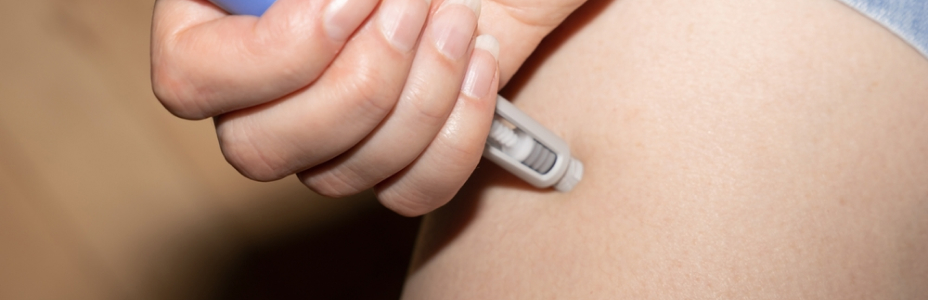
- Administer the injection in your abdomen, thigh, or upper arm. Rotate injection sites to avoid irritation.
- Ozempic is intended for long-term use as prescribed by your healthcare provider.
- Obtain your Ozempic prescription from a licensed doctor.
 Foods to avoid while taking Ozempic
- Sugary foods and beverages. Minimize candy, desserts, and soda to avoid spikes in blood sugar levels.
- Fried and greasy foods can cause nausea or gastrointestinal discomfort, which are common side effects of Ozempic.
- Highly processed snacks: avoid chips, cookies, and similar items that can interfere with weight loss goals.
- Alcohol can affect blood sugar control and may worsen Ozempic side effects.
- Refined carbohydrates. Limit white bread, pasta, and rice, as they can lead to rapid blood sugar increases.
 How quickly does Ozempic start working?
Patients may start to see Ozempic's effects on blood sugar levels within a few weeks. However, for weight loss, Ozempic (semaglutide) typically starts working within the first few weeks of treatment. Many users begin to notice reduced appetite and fewer cravings within 1 to 2 weeks. However, significant weight loss usually becomes more evident after 8 to 12 weeks of consistent use. Clinical studies show that patients can expect gradual, steady weight loss over several months when Ozempic is combined with a healthy diet and regular exercise. Individual results may vary based on factors such as dosage, lifestyle, and adherence to the prescribed treatment plan.
Ozempic dosing guide
Ozempic dosage follows a carefully planned titration schedule designed by Novo Nordisk and provided by your healthcare provider as part of your diabetes treatment plan. Always remember to follow this schedule closely and keep in mind the necessary precautions and safety guidelines when using your Ozempic injection.
Starting dose of Ozempic
The typical first dose for Ozempic is 0.25 mg once weekly, allowing your body to adjust gradually to the medication while minimizing side effects like nausea. This low dose helps to create a smooth introduction to Ozempic treatment before moving to higher therapeutic doses, as recommended by your healthcare provider.
How to gradually increase Ozempic dose
Ozempic is gradually increased from 0.25 mg to 0.5mg to 1.0 mg following a step-by-step schedule set by your healthcare provider. Typically, the dose is raised every four weeks to allow your body to adjust and reduce potential side effects while optimizing blood sugar control.
Maximum Ozempic dose for weight loss
The highest doses of Ozempic are 1.0 mg and 2.0 mg once weekly, reached gradually over several months of treatment. This slow progression allows your body to adapt to each dose increase, ensuring the medication remains effective while minimizing side effects.
Make sure that you follow your doctor's guidance and that you follow the Ozempic dosage scheme that you were offered. Do not interfere with titration, and avoid adjusting the dosage and frequency of Ozempic injections by yourself.
Ozempic Microdosing
Ozempic microdosing is not possible. Microdosing is sometimes prescribed by physicians using compounded medications. However, compounding is not FDA-tested for safety or efficacy, and compounded semaglutide is not reviewed or approved by the FDA. Novo Nordisk has not studied the effects of microdosing, and microdosing Ozempic is not FDA-approved. The prescribed titration schedule developed by Novo Nordisk has been clinically tested for safety and efficacy in diabetes management. Always follow your healthcare provider's prescribed dosing schedule for optimal Ozempic results.
Ozempic Contraindications
When considering Ozempic dosing, it's crucial to be aware of certain contraindications to ensure safe and effective treatment.
and effective treatment. Here's a brief overview:
 Ozempic and Alcohol
It's advisable to limit or avoid alcohol consumption while taking Ozempic. Alcohol can affect blood sugar levels and potentially increase the risk of side effects from Ozempic.
 Ozempic and Pregnancy
Ozempic is not recommended for use during pregnancy due to potential risks to the fetus. If you are planning to become pregnant or are pregnant, discuss alternative treatments with your healthcare provider.
 Ozempic and Other Medications
Ozempic may interact with other medications, including over-the-counter drugs and herbal supplements. Always inform your healthcare provider about all medications you're taking to avoid adverse interactions.
Ozempic Side Effects
Patients using Ozempic should be aware of some common reactions. The most frequently reported side effects include nausea, vomiting, diarrhea, constipation, and stomach pain. These symptoms often occur when starting treatment and may improve as the body adjusts. Some users also experience fatigue, dizziness, or a reduced appetite. In rare cases, more serious side effects can occur, such as pancreatitis or gallbladder problems. Patients should contact a healthcare provider if side effects are severe or persistent. Regular monitoring and following the prescribed dosing schedule can help manage these reactions effectively.
 Nausea and Diarrhea
These symptoms typically occur when starting the medication or after increasing the dose. Nausea may range from mild to moderate and often improves over time as the body adjusts. Eating smaller meals, avoiding high-fat foods, and staying hydrated can help manage these symptoms. Diarrhea may also be temporary but can lead to dehydration if not addressed. If nausea or diarrhea becomes severe or persistent, patients should speak with their healthcare provider to adjust the treatment plan or explore supportive options.
 Headache
Some patients report mild to moderate headaches, especially during the first few weeks of treatment. This may be related to changes in blood sugar levels, dehydration, or the body adjusting to the medication.
 Fatigue
Patients feel unusually tired or low on energy, especially during the first few weeks of treatment. This can be related to changes in blood sugar levels, reduced appetite, or lower calorie intake. In most cases, fatigue is mild and temporary.
 Hair Loss (Anecdotal)
Hair loss is not a listed side effect in official Ozempic prescribing information. However, some individuals have reported experiencing hair shedding during use. Always speak with your healthcare provider if you notice unexpected changes.
 Pancreatitis
Pancreatitis is a rare but serious potential side effect of Ozempic. It involves inflammation of the pancreas and may present with symptoms such as severe abdominal pain (especially in the upper abdomen), nausea, vomiting, and fever. The pain may radiate to the back and often worsens after eating. If you experience these symptoms while taking Ozempic, seek medical attention immediately. Pancreatitis can be life-threatening if not treated promptly. Patients with a history of pancreatitis should inform their healthcare provider before starting Ozempic to assess the risks.
Injection Site Reactions
Redness, swelling, or irritation at the injection site may occur when using Ozempic. These reactions are usually mild and temporary. Rotating injection sites—such as the stomach, thigh, or upper arm—can help reduce irritation.
Always ensure you're using the medication as directed to minimize risks and maximize its benefits. A full list of side effects can be found here.
Ozempic vs other medications for weight management
When considering treatment options for type 2 diabetes or weight management, it’s helpful to understand how Ozempic compares to other medications. Below are brief comparisons based on FDA-approved uses and manufacturer guidance.
 Ozempic vs. Wegovy (semaglutide)
Both medications contain semaglutide and are manufactured by Novo Nordisk. Ozempic is FDA-approved for type 2 diabetes management. Wegovy is FDA-approved for chronic weight management and is typically prescribed at higher doses than Ozempic.
Rybelsus (semaglutide) vs. Ozempic (semaglutide)
Rybelsus and Ozempic both contain semaglutide, made by Novo Nordisk. Rybelsus is taken orally once daily, while Ozempic is injected once weekly.
Trulicity (dulaglutide) vs. Ozempic (semaglutide)
Trulicity and Ozempic are GLP-1 receptor agonists used to manage type 2 diabetes. Ozempic uses semaglutide and is injected weekly, while Trulicity uses dulaglutide. Both are approved for improving blood sugar control.
Zepbound® (tirzepatide) vs. Ozempic (semaglutide)
Zepbound contains tirzepatide and is FDA-approved for chronic weight management. Each medication is made by a different manufacturer (Eli Lilly and Novo Nordisk, respectively).
Mounjaro® (tirzepatide) vs. Ozempic (semaglutide)
Both medications are FDA-approved for type 2 diabetes. Mounjaro contains tirzepatide and is manufactured by Eli Lilly. Ozempic contains semaglutide and is manufactured by Novo Nordisk. They work through different mechanisms as GLP-1/GIP and GLP-1 agonists, respectively.
Victoza (liraglutide) vs. Ozempic (semaglutide)
Victoza uses liraglutide and is administered daily. Ozempic uses semaglutide and is taken weekly. Both are GLP-1 receptor agonists manufactured by Novo Nordisk and approved for type 2 diabetes treatment.
Choosing the right medication involves considering various factors, including the specific health condition being treated, patient preferences, potential side effects, and the effectiveness of the medication. Always consult with a healthcare provider to make an informed decision that aligns with your health goals and medical history.
Ozempic FAQ
-
What is Ozempic ?
Ozempic is a prescription medication manufactured by Novo Nordisk, FDA-approved for improving blood sugar control in adults with type 2 diabetes. It contains the active ingredient semaglutide and is administered via weekly injection.
-
How does Ozempic work?
Ozempic works by mimicking the action of GLP-1, a hormone that regulates blood sugar levels. It helps slow down gastric emptying, reduces the amount of sugar your liver makes, and increases insulin release when blood sugar is elevated.
-
Is Ozempic approved by the FDA for weight loss?
No, Ozempic is FDA-approved specifically for the management of type 2 diabetes. However, semaglutide, the active ingredient in Ozempic , is also found in Wegovy , which is FDA-approved for chronic weight management.
-
How to get Ozempic covered by insurance?
Coverage for Ozempic varies by insurance plan. Some manufacturer savings programs may be available for eligible self-pay patients.
-
How many doses are in the Ozempic pen?
The Ozempic pen is available in different dosages and each pen is designed to deliver a specific number of doses, typically enough for one month of treatment when used as prescribed by your healthcare provider.
-
How does Ozempic cause secondary effects?
While Ozempic is FDA-approved for diabetes management, some patients may experience changes such as reduced appetite or weight loss as potential secondary effects, due to its action on appetite regulation and gastric emptying during diabetes treatment.
-
How long does it take to see results on Ozempic ?
Blood sugar improvement timelines vary, but some people may begin seeing results within a few weeks of consistent use. Potential secondary effects may take longer to appear and vary by individual.
-
How much weight can I lose with Ozempic for 1 month?
Ozempic is prescribed for diabetes management, not weight loss. Any weight changes vary by individual and depend on factors like diet, exercise, and how their body responds to diabetes treatment. For FDA-approved weight management, consult about Wegovy .
-
Is Ozempic safe?
Ozempic is considered safe by the FDA for its approved use in managing type 2 diabetes, but like all medications, it can have side effects. Consult with a healthcare provider for personal medical advice about diabetes treatment.
-
How to get Ozempic for diabetes management?
For diabetes management, consult with a healthcare provider who can evaluate your health needs and prescribe Ozempic if appropriate for your type 2 diabetes treatment plan.
-
How long can I stay on Ozempic ?
The duration of Ozempic treatment for diabetes management can vary. Many patients use it long-term for ongoing diabetes control, but individual treatment plans should be discussed with a healthcare provider.
-
What are the side effects of Ozempic ?
Common side effects include nausea, headache, diarrhea, fatigue, and potential risk of more severe conditions like pancreatitis. Always report side effects to your healthcare provider. Full safety information is available from Novo Nordisk.
-
Where to inject Ozempic ?
Ozempic is typically injected subcutaneously in the abdomen, thigh, or upper arm. Rotate injection sites with each dose as instructed by your healthcare provider.
-
What foods to avoid while taking Ozempic ?
While there aren't specific foods to avoid, a diabetes-friendly diet focusing on low-glycemic foods is recommended to optimize blood sugar control and diabetes management while taking Ozempic .
-
Can I use Ozempic and alcohol at the same time?
Alcohol can affect blood sugar levels and may increase the risk of side effects. It is best to limit or avoid alcohol while using Ozempic for diabetes management. Always consult your healthcare provider about alcohol use with any medication.
-
Can I use Ozempic while pregnant and breastfeeding?
Ozempic is not recommended during pregnancy or while breastfeeding. If you are pregnant, planning to become pregnant, or nursing, consult your healthcare provider to discuss appropriate treatment options for managing type 2 diabetes.
-
Can people under 18 years of age
be prescribed Ozempic ?Ozempic is generally prescribed to adults for type 2 diabetes management. Use in individuals under 18 is determined by a healthcare provider based on specific medical needs.
Ozempic Health And News

What is Ozempic Face and How to Treat It?
Weight loss medications like Ozempic and other GLP-1 receptor agonists are growing in popularity. Amidst the triumph of dropping dress sizes and achieving newfound vitality, individuals will likely encounter side effects...

What Happens When You Stop Taking Ozempic ?
There are many reasons people choose to stop taking Ozempic . Whatever the reason behind the choice, they all share a common concern: what happens next?

Ozempic Shortage Prognosis: How to Get Ozempic for Weight Loss
In recent years, the demand for Ozempic injections has surged dramatically. This surge in demand has led to shortages of Ozempic and Wegovy .
With more than 30 years of physician practice in the Obstetrics and Gynecology specialty, Dr. Niles is focuses on the delivery of quality medical care. She has a well-established and respected history of worldwide medical collaboration, research, philanthropy, and distinguished leadership.
Important Disclaimers
Disclaimer: Individual results may vary. Ozempic® (semaglutide) is FDA-approved for the treatment of type 2 diabetes. Although some healthcare providers may prescribe Ozempic off-label for weight loss, this use is not FDA-approved. Weight loss results depend on lifestyle factors, dosage, and adherence to treatment.
Ozempic®, Wegovy®, and Rybelsus® are registered trademarks of Novo Nordisk A/S. Trulicity® is a registered trademark of Eli Lilly and Company. This website is not affiliated with, endorsed by, or sponsored by these companies. Brand names are used only for informational and comparative purposes.
This content is for educational purposes only and is not a substitute for professional medical advice, diagnosis, or treatment. Always consult a licensed healthcare provider before starting, stopping, or adjusting any prescription medication.
Common side effects of Ozempic may include nausea, vomiting, diarrhea, headache, and fatigue. Serious risks include pancreatitis, thyroid tumors, gallbladder issues, and kidney problems. Ozempic should not be used by individuals with a personal or family history of medullary thyroid carcinoma (MTC) or Multiple Endocrine Neoplasia syndrome type 2 (MEN 2). It is not recommended during pregnancy or while breastfeeding. Talk to your doctor about all possible risks and interactions before starting treatment.
Alcohol and certain medications may increase the risk of side effects with Ozempic. Inform your provider of all prescription, over-the-counter, and herbal supplements you are taking.
Manufacturer coupons, savings programs, and patient assistance eligibility may vary. Availability is subject to Novo Nordisk program terms and individual insurance coverage.
For complete safety information and prescribing guidance, refer to:
Date Last Updated 09/18/2025