
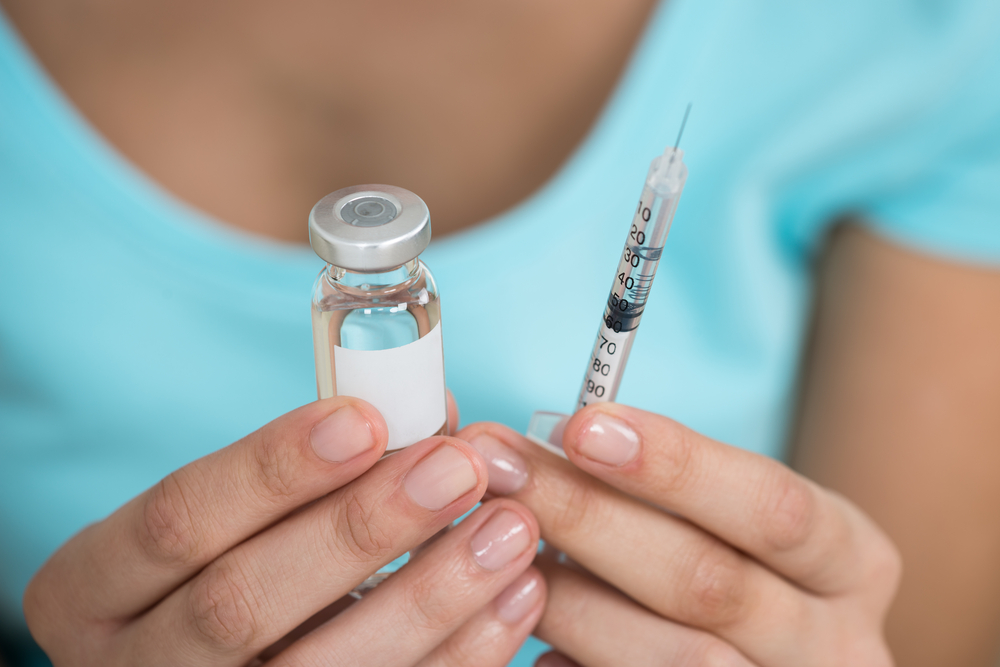
Store your Wegovy pen in the refrigerator between 36°F and 46°F (2°C to 8°C), keep it in its original carton, and never freeze it. Once taken out, a pen can stay at room temperature (below 86°F) for up to 28 days, but it can’t go back in the fridge. Using the pen itself takes under a minute: place it flat on your skin, press until you hear a click, and hold until the dose window stops moving. Here’s the complete, correct routine.
Key takeaways
- Refrigerate Wegovy pens at 36-46°F (2-8°C) in the original carton, away from light
- Never use a frozen pen, even if it has thawed – freezing ruins the medication
- A pen can sit at room temperature (under 86°F) for up to 28 days, then must be discarded
- Inject once weekly on the same day, rotating between abdomen, thigh, and upper arm
- Hold the pen in place until the dose window stops moving to get the full dose
- Dispose of used pens in an FDA-cleared sharps container, never household trash
What is the Wegovy pen?
The Wegovy pen is a prefilled, single-use injection device that delivers semaglutide, a GLP-1 receptor agonist used for weekly weight management. It works by regulating appetite, increasing fullness, and supporting blood sugar control.
Each pen holds one fixed dose and is discarded after use. The available strengths are:
- 0.25 mg (starting dose)
- 0.5 mg
- 1 mg
- 1.7 mg
- 2.4 mg (standard maintenance dose)
- 7.2 mg (Wegovy HD, the newer high-dose option)
The preset-dose design means there’s nothing to measure, which cuts down on dosing errors. The newest addition, the 7.2 mg Wegovy HD pen, delivers the higher maintenance dose in a single injection rather than the multiple-pen workaround that was once required.
Explore GLP-1 options: Wegovy · semaglutide · weight loss prescriptions
How to store your Wegovy pen correctly
Storage is where most handling mistakes happen, and getting it right protects both your safety and the money you’ve invested in the medication.
Refrigerated storage (the default):
- Keep pens at 36°F to 46°F (2°C to 8°C)
- Store in the original carton to protect from light
- Do not freeze – and never use a pen that has frozen, even if it thawed back to liquid
- Keep pens away from the refrigerator’s cooling element, where freezing is most likely
Room temperature storage (when needed):
- A pen can stay below 86°F (30°C) for up to 28 days
- Once removed from the fridge, it cannot go back – plan to use it within that window
- Always check the expiration date before injecting
- The liquid must be clear and colorless; never use a pen if it looks cloudy, discolored, or has particles
That “can’t return to the fridge” rule trips people up. Once a pen has been at room temperature, the 28-day clock starts and doesn’t reset, so only take out what you’ll use.
How to store your Wegovy pen while traveling
Travel is the most common reason people take pens out of the fridge, and a little planning prevents a ruined dose:
- Use an insulated medication bag or travel cooler with a gel pack – but keep the pen from touching the gel pack directly, which can freeze it
- For a trip under 28 days, room-temperature storage below 86°F is fine, so a cooler is about convenience, not necessity
- On a plane, always pack pens in your carry-on, never checked luggage, where the hold can freeze them
- Keep pens in the original carton with your prescription label, which also helps at airport security
For more on handling device problems on the road or at home, see what to do with a malfunctioning Wegovy pen.
When and where to inject Wegovy
Schedule: Inject once weekly, on the same day each week. You can take it any time of day, with or without food. Pick a day that’s easy to remember and stick to it.
Approved injection sites:
- Abdomen, at least 2 inches away from your navel
- Front of the thigh
- Upper arm (only if someone else gives the injection)
Rotate your injection site each week. Using the same spot repeatedly can cause irritation, tenderness, or lumps under the skin. A simple approach is to cycle through sites in a set order so you always know where the last one was.
Step-by-step guide to using your Wegovy pen
The injection itself is quick once you know the rhythm:
- Take the pen out of the refrigerator. You can let it reach room temperature for a more comfortable injection, though it’s optional
- Wash your hands and clean the injection site with an alcohol swab
- Remove the pen cap and check that the medication looks clear and colorless
- Place the pen flat against your skin at the injection site
- Press firmly and listen or feel for the click that signals the injection has started
- Hold it in place until the dose window (yellow bar) stops moving, confirming the full dose was delivered
- Remove the pen and dispose of it safely in a sharps container
The single most important step is number six. Pulling the pen away too early means you don’t get the full dose, so don’t rush – hold until it’s clearly finished.
Wegovy dosing schedule
Wegovy follows a gradual dose-escalation schedule to minimize side effects like nausea:
|
Month |
Weekly dose |
|---|---|
|
Month 1 |
0.25 mg |
|
Month 2 |
0.5 mg |
|
Month 3 |
1 mg |
|
Month 4 |
1.7 mg |
|
Month 5+ |
2.4 mg (or 7.2 mg HD, if prescribed) |
Your progression may differ based on how well you tolerate each step. To understand the timing behind each increase, see how long to stay on each GLP-1 dose before increasing.
What to do if you miss a Wegovy dose
The rule for Wegovy is based on how close your next dose is:
- If your next scheduled dose is more than 2 days (48 hours) away, inject the missed dose as soon as you remember
- If your next dose is less than 2 days away, skip the missed dose and resume your normal schedule
- Never take two doses within 48 hours of each other
Setting a weekly phone reminder is the simplest way to stay consistent.
Common Wegovy pen mistakes to avoid
A few errors come up again and again. Steer clear of these:
- Leaving pens unrefrigerated too long – past 28 days at room temperature, discard them
- Injecting in the same spot repeatedly – rotate to avoid skin problems
- Using an expired, cloudy, or frozen pen – any of these means the dose could be unsafe or ineffective
- Removing the pen before the dose finishes – you’ll shortchange your dose
How to dispose of your Wegovy pen safely
Used pens are sharps and need proper disposal:
- Use only an FDA-cleared sharps container
- Never toss pens in household trash
- Don’t reuse pens, and never share a pen with anyone else
- Follow local guidelines for disposing of a full sharps container
- Your pharmacy or provider can point you to disposal resources
The bottom line on storing and using your Wegovy pen
Correct handling comes down to a few habits: keep pens refrigerated and out of the freezer, respect the 28-day room-temperature limit, rotate injection sites, and hold the pen until the dose fully delivers. None of it is complicated, and for most people it becomes routine within a few weeks. If a pen ever looks cloudy, has frozen, or seems to malfunction, don’t use it – check with your pharmacist or provider first.
Have questions about starting or using Wegovy? Talk to a Heally provider who can walk you through your treatment.
FAQ
Does Wegovy need to be refrigerated?
Yes, store Wegovy pens in the refrigerator at 36-46°F (2-8°C) in the original carton. However, a pen can be kept at room temperature below 86°F for up to 28 days if needed, after which it must be discarded.
How long can a Wegovy pen stay out of the fridge?
Up to 28 days at room temperature, as long as it stays below 86°F (30°C). Once a pen leaves the refrigerator, it cannot go back, and the 28-day limit does not reset.
Can you use a Wegovy pen that was frozen?
No. Never use a Wegovy pen that has frozen, even if it has thawed back to liquid. Freezing damages the medication and makes it unsafe to use. Discard any frozen pen.
How do you know the Wegovy injection is complete?
Hold the pen against your skin until the dose window (yellow bar) stops moving. That signals the full dose has been delivered. Removing the pen too early means you may not get the complete dose.
Where should you inject Wegovy?
Into the abdomen (at least 2 inches from the navel), the front of the thigh, or the upper arm if someone else is injecting. Rotate sites each week to prevent irritation, tenderness, or lumps.
How should you store Wegovy when traveling?
Keep pens in their original carton in an insulated bag, avoiding direct contact with gel packs that could freeze them. On flights, pack pens in your carry-on, never checked luggage. For trips under 28 days, room temperature below 86°F is acceptable.
Sources
- Wegovy (Novo Nordisk). “Wegovy Pen Guide and Dosing Information”
- FDA. “WEGOVY (semaglutide) injection Prescribing Information and Medication Guide”
- Novo Nordisk. “Wegovy Instructions for Use”
This article is for educational purposes only and is not a substitute for professional medical advice. Wegovy carries an FDA boxed warning about the potential risk of thyroid C-cell tumors – do not use it if you or a family member has a history of medullary thyroid carcinoma or Multiple Endocrine Neoplasia syndrome type 2. Always consult a qualified healthcare provider or pharmacist with questions about storing or using your medication.