
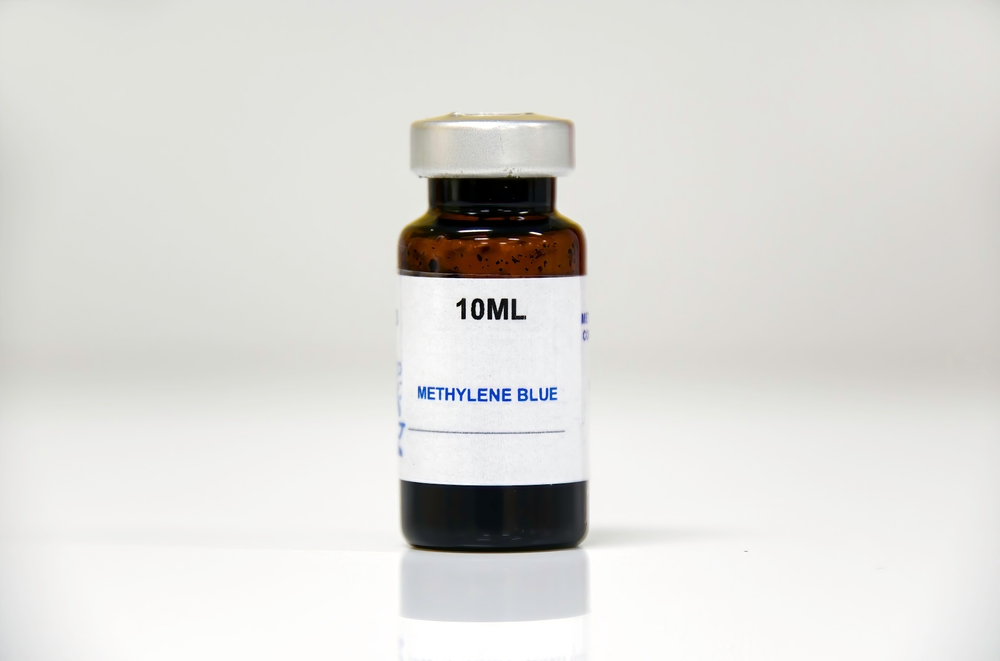
Too much methylene blue can cause problems long before you notice obvious symptoms. At low doses (0.5-4 mg/kg), this compound acts as an antioxidant and mitochondrial booster. But cross the threshold, and it flips – becoming pro-oxidant, neurotoxic, and potentially dangerous.
The tricky part? Many of the early warning signs feel like nothing special. A headache here. Restless sleep there. Maybe you chalk it up to stress. This guide covers the specific signs of methylene blue overuse, the dose ranges that matter, and when to talk to a doctor.
Key takeaways
- Methylene blue follows a hormetic dose curve: low doses are protective, while high doses become toxic. The safe supplemental range is generally 0.5-4 mg/kg body weight.
- According to StatPearls (2026), cumulative doses of 7 mg/kg or more can cause significant toxicity. A single dose of 20 mg/kg or more has caused fatal hemolysis.
- Subtle early signs of overuse include persistent headaches, sleep disruption, GI upset, unusual restlessness, and intensely blue-stained skin or mucous membranes.
- Methylene blue is a potent MAO-A inhibitor. Combining it with SSRIs, SNRIs, or serotonergic supplements creates a serious risk of serotonin syndrome.
- People with G6PD deficiency should not take methylene blue at any dose – it can trigger severe hemolytic anemia.
- Always use pharmaceutical-grade methylene blue under medical supervision. Book a consultation with a Heally physician to discuss safe dosing.
How methylene blue works – and why dose matters so much
Methylene blue (methylthioninium chloride) is one of the oldest synthetic drugs in medicine, first used in humans in the 1890s. It sits on the WHO’s List of Essential Medicines and has FDA approval for treating methemoglobinemia – a blood disorder where hemoglobin can’t carry oxygen properly.
More recently, the longevity and nootropic community has embraced methylene blue for its mitochondrial and cognitive benefits at low doses. Here is how it works:
- Mitochondrial electron carrier. Methylene blue donates and accepts electrons in the mitochondrial electron transport chain. At low doses, this helps cells produce ATP (energy) more efficiently – especially in aging or damaged mitochondria.
- Antioxidant at low doses, pro-oxidant at high doses. This is the key concept. Research in Cells (2021) describes methylene blue’s hormetic behavior: below a certain threshold, it neutralizes free radicals. Above that threshold, it generates them. The exact crossover point varies by person, but most researchers place it around 4-5 mg/kg.
- MAO-A inhibitor. Methylene blue inhibits monoamine oxidase A, the enzyme that breaks down serotonin. This is why it can improve mood at low doses – but also why combining it with serotonergic drugs is dangerous.
Related: Using methylene blue in anti-aging research: hype vs evidence
What does methylene blue overuse look like?
The signs of taking too much methylene blue fall into three categories: physical, cognitive, and biochemical. Many of them overlap with everyday complaints, which makes them easy to dismiss.
Physical warning signs
- Blue-stained skin, tongue, or mucous membranes. Blue-green urine is normal and harmless – methylene blue is a dye, and your kidneys filter it out. But if the staining spreads to your skin, tongue, or the whites of your eyes, the dose may be too high. This indicates the compound is accumulating faster than your body can clear it.
- Persistent nausea or GI discomfort. Occasional mild nausea at the start of supplementation is common. But ongoing stomach upset, diarrhea, or abdominal pain – especially after weeks of use – suggests you’ve exceeded your body’s comfortable range.
- Headaches and facial flushing. These can signal vascular stress from excess methylene blue activity. If headaches appear after a dose increase or after stacking with other mitochondrial supplements, pay attention.
- Chest tightness or shortness of breath. At doses of 3 mg/kg or more in a single dose, clinical reports note reduced oxygenation and wheezing. This is a serious sign – stop the supplement and seek medical advice immediately.
Cognitive and behavioral warning signs
- Sleep disruption. Methylene blue boosts cellular energy. Taking it too late in the day – or at too high a dose – can make it hard to fall asleep or reduce sleep quality. If your sleep worsened after starting or increasing methylene blue, the timing or dose may need adjustment.
- A “wired but tired” feeling. Some users describe feeling mentally sharp but physically restless, unable to relax. This can point to overstimulation of mitochondrial and neurotransmitter pathways.
- Irritability or mood flattening. Because methylene blue affects serotonin and dopamine metabolism, excess doses can paradoxically dull emotions or increase irritability. This is a subtle sign that often gets blamed on external stress.
- Afternoon mental crash. A pattern of sharp focus followed by sudden mental fatigue later in the day may indicate the dose is pushing your system too hard during the peak window.
Biochemical red flags you might not feel
Some signs of methylene blue overuse only show up on lab work:
- Elevated bilirubin levels (a marker of red blood cell breakdown)
- Changes in liver enzyme values
- Shifts in inflammatory markers
- Paradoxical methemoglobinemia at very high doses – the exact condition methylene blue is supposed to treat
Periodic blood work is worth discussing with your doctor if you use methylene blue regularly. This is especially important for people over 50 or those taking multiple longevity supplements.
Drug and supplement interactions that increase risk
Methylene blue’s interaction profile is what makes “feeling fine” an unreliable safety signal. Some of the most dangerous combinations produce no warning symptoms until the situation is serious.
- SSRIs and SNRIs (antidepressants). The FDA has issued a specific safety communication about this. Methylene blue combined with serotonergic medications can trigger serotonin syndrome – a potentially life-threatening condition with symptoms including agitation, rapid heartbeat, high fever, and muscle rigidity. This applies to common drugs like sertraline, fluoxetine, venlafaxine, and duloxetine.
- Triptans and certain pain medications. Migraine drugs and opioids that affect serotonin pathways also interact with methylene blue.
- Other mitochondrial boosters. Stacking methylene blue with NAD+ injections, NAD nasal spray, high-dose CoQ10, or glutathione injections may amplify its effects beyond what you intended. This doesn’t mean you can’t combine them – but you should do it under medical guidance and at lower individual doses.
- Herbal serotonergic supplements. St. John’s Wort, 5-HTP, and tryptophan all increase serotonin activity. Combining any of these with methylene blue raises the risk profile significantly.
Explore longevity options safely: Rapamycin | Metformin for anti-aging | Sermorelin | NAD+ therapy
Who should not take methylene blue at all?
Certain people should avoid methylene blue entirely, regardless of the dose:
- People with G6PD deficiency. Glucose-6-phosphate dehydrogenase deficiency is a genetic condition that affects roughly 400 million people worldwide. Methylene blue can trigger severe hemolytic anemia in these individuals. G6PD testing is a simple blood test that should be done before starting methylene blue.
- Anyone taking SSRI or SNRI antidepressants without explicit medical clearance to combine them.
- Pregnant or breastfeeding women. Methylene blue can harm fetal development. The FDA warns against its use during pregnancy.
- People with severe kidney impairment. The kidneys clear methylene blue. Reduced kidney function means slower clearance and higher accumulation risk.
What to do if you suspect you’re taking too much
If you notice any of the warning signs above – even mild ones – take these steps:
- Lower or pause your dose. Most subtle overuse effects resolve within a few days of reducing or stopping methylene blue. This is both a diagnostic tool and a treatment.
- Track what changes. If your sleep improves, headaches fade, or mood stabilizes after lowering the dose, that confirms you were likely over the sweet spot.
- Review your full supplement stack. Look for overlapping mitochondrial agents or anything that affects serotonin. Simplify before adding back.
- Get blood work. Ask your doctor about checking a complete metabolic panel, liver enzymes, bilirubin, and a G6PD screen if you haven’t had one.
- Talk to a physician. This is especially important if you take prescription medications, have any chronic health conditions, or if symptoms persist after stopping. You can schedule a consultation with a Heally provider to review your protocol.
The bottom line
Methylene blue is a powerful compound with real benefits for mitochondrial health, cognitive function, and potentially healthy aging. But “powerful” cuts both ways. The margin between a helpful dose and a harmful one is narrower than most supplements, and the early signs of overuse are easy to miss.
The safest approach is simple: start low, track your response, avoid dangerous drug combinations, and work with a doctor who understands your full health picture. Feeling fine is not the same as being fine – and with methylene blue, what you don’t notice matters just as much as what you do.
If you’re using methylene blue or considering it as part of a longevity protocol, connect with a licensed Heally physician for personalized guidance on safe dosing and monitoring.
FAQ
What is a safe dose of methylene blue for supplements?
Most researchers and clinicians consider 0.5-4 mg/kg body weight a safe range for oral supplementation. For nootropic and longevity purposes, many users take 5-15 mg per day. The key is using pharmaceutical-grade methylene blue and starting at the lowest effective dose. Cumulative doses above 7 mg/kg can cause significant toxicity.
Can methylene blue cause serotonin syndrome?
Yes. Methylene blue is a potent MAO-A inhibitor. Combining it with SSRIs like sertraline or fluoxetine, SNRIs like venlafaxine, triptans, or serotonergic supplements like St. John’s Wort or 5-HTP can trigger serotonin syndrome. Symptoms include agitation, rapid heartbeat, fever, and muscle rigidity. The FDA has issued a safety communication about this risk.
Is blue urine from methylene blue dangerous?
No. Blue or blue-green urine is a normal, harmless effect of methylene blue – it simply means your kidneys are filtering the dye. However, if the blue staining spreads to your skin, tongue, or the whites of your eyes, the dose may be too high and you should consult a healthcare provider.
How do I know if my methylene blue dose is too high?
Watch for persistent headaches, nausea, sleep disruption, irritability, facial flushing, a “wired but tired” feeling, or intensifying blue skin staining. If lowering the dose resolves these symptoms, you were likely exceeding your body’s optimal range. Periodic blood work can also reveal hidden signs of overuse.
Who should avoid methylene blue completely?
People with G6PD (glucose-6-phosphate dehydrogenase) deficiency should never take methylene blue – it can cause severe hemolytic anemia. Pregnant and breastfeeding women, people with severe kidney disease, and anyone taking SSRI or SNRI antidepressants without medical clearance should also avoid it.
Can I combine methylene blue with other longevity supplements?
You can, but with caution. Stacking methylene blue with NAD+ precursors, CoQ10, glutathione, or other mitochondrial boosters can amplify effects beyond your intended dose. Reduce individual doses when combining, and work with a physician who can monitor your full supplement protocol.
Sources
- Ostrovsky A, Afzal M. Methylene Blue. StatPearls. Updated January 2, 2026. https://www.ncbi.nlm.nih.gov/books/NBK557593/
- Atamna H, et al. The Potentials of Methylene Blue as an Anti-Aging Drug. Cells. 2021;10(12):3524. https://pmc.ncbi.nlm.nih.gov/articles/PMC8699482/
- Ramsay RR, et al. Neuroprotective Actions of Methylene Blue and Its Derivatives. Br J Pharmacol. 2012;167(2):226-243. https://pmc.ncbi.nlm.nih.gov/articles/PMC3485214/
- Mayo Clinic. Methylene Blue (Intravenous Route) – Description and Side Effects. Updated September 2026. https://www.mayoclinic.org/drugs-supplements/methylene-blue-intravenous-route/description/drg-20064695
- Drugs.com. Methylene Blue Side Effects and Drug Interactions. Updated May 2026. https://www.drugs.com/sfx/methylene-blue-side-effects.html
- Rojas JC, et al. Neurometabolic mechanisms for memory enhancement and neuroprotection of methylene blue. Prog Neurobiol. 2012;96(1):32-45. https://pmc.ncbi.nlm.nih.gov/articles/PMC3265679/
Medical disclaimer
This article is for informational purposes only and does not constitute medical advice. Methylene blue is an FDA-approved drug for specific conditions but is not approved for anti-aging or general wellness use. The safety and efficacy of non-prescription or compounded forms have not been fully established. Always consult a qualified healthcare provider before starting or modifying any supplement regimen. Use of methylene blue without medical supervision can result in serious side effects or interactions with other medications.