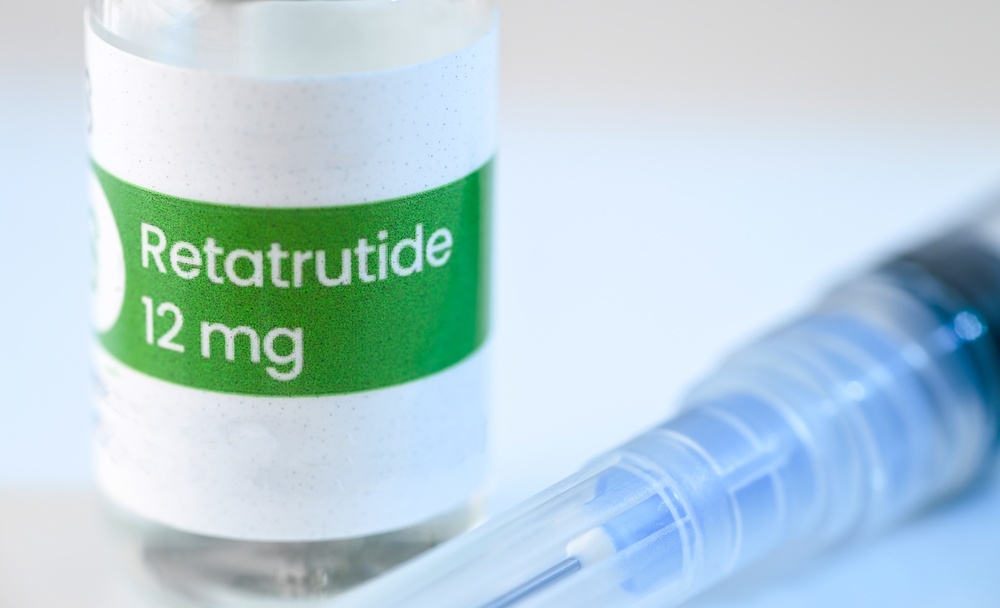
Understanding how retatrutide works as a triple agonist provides insight into why this medication may represent an advancement in weight management. This guide explores the mechanism behind targeting three hormone receptors—GLP-1, GIP, and glucagon—and how this approach compares to existing dual-receptor medications like tirzepatide.
Important Note: Retatrutide is investigational and not yet FDA-approved. This content discusses the scientific mechanisms being studied in clinical trials.
What Is a Triple Agonist?
Think of your body’s hormone receptors like locks on doors. An agonist is like a key that fits into a specific lock and turns it to open the door and trigger a response. In the case of weight loss medications, these “keys” activate receptors that control things like appetite, metabolism, and how your body burns fat.
A triple agonist is a medication that acts like three different keys, opening three different locks simultaneously. Retatrutide activates three hormone receptors involved in metabolism: GLP-1 (glucagon-like peptide-1), GIP (glucose-dependent insulinotropic polypeptide), and glucagon receptors. Each of these controls different aspects of how your body handles food, energy, and fat storage.
To understand why this matters, think about the evolution of weight loss medications. Earlier medications like Ozempic or Wegovy target just one receptor (GLP-1). Then came Zepbound (tirzepatide), which targets two receptors (GLP-1 and GIP). Retatrutide takes the next step by targeting all three, theoretically addressing even more of the complex pathways involved in weight gain and metabolism.
The idea behind targeting multiple pathways is that obesity isn’t caused by just one thing going wrong—it’s a complex condition involving many interconnected systems in your body. Targeting multiple pathways at once might produce better results than targeting just one, similar to how treating high blood pressure often works better with combination medications rather than a single drug.
Role of GLP-1, GIP, and Glucagon in Metabolism
How GLP-1 Works
GLP-1 is a hormone your intestines naturally release after you eat. It’s like a messenger that tells different parts of your body what to do with the food you just consumed.
First, GLP-1 communicates with your brain, specifically the areas that control hunger and fullness. It essentially tells your brain that it’s satisfied and doesn’t need more food. This is why people on GLP-1 medications often feel less hungry and more satisfied with smaller portions.
Second, GLP-1 slows down how quickly food leaves your stomach and moves into your intestines. This might sound like a problem, but it’s actually helpful—it means you feel full longer after eating and don’t get hungry as quickly.
Third, GLP-1 helps regulate your blood sugar. When your blood sugar rises after eating, GLP-1 tells your pancreas to release insulin (which lowers blood sugar). At the same time, it tells your body to produce less glucagon (which raises blood sugar). This double action helps keep blood sugar stable, which is why these medications also help people with diabetes.
How GIP Works
GIP is another hormone your intestines release when you eat, especially when you consume carbohydrates and fats. For a long time, scientists weren’t sure whether activating or blocking GIP would be better for weight loss. It turns out that activating it (along with GLP-1) works really well.
Like GLP-1, GIP helps your body release insulin when blood sugar goes up, supporting healthy blood sugar levels. But GIP does some other interesting things too:
- Influences how your body stores and uses fat
- May help increase your metabolic rate—burning more calories throughout the day
- Contributes to feelings of fullness, especially when combined with GLP-1
- Works synergistically with GLP-1 to enhance weight loss effects
This is why medications like Zepbound (which combines GLP-1 and GIP) tend to produce more weight loss than medications that only target GLP-1.
How Glucagon Works
Glucagon is a hormone that does something that might seem counterproductive at first—it raises blood sugar by telling your liver to release stored glucose. You might wonder why a weight loss medication would activate something that raises blood sugar. The answer is that glucagon does more than just affect blood sugar.
One of glucagon’s most important roles for weight loss is that it tells your body to break down stored fat for energy. This process is called lipolysis, and it’s exactly what you want when trying to lose weight—your body uses its fat stores as fuel.
Glucagon may also increase your metabolic rate, meaning you burn more calories even when you’re just sitting around. It helps reduce fat buildup in your liver, which is important because fatty liver disease is common in people with obesity. And at certain levels, glucagon may contribute to feelings of fullness, though its effects on appetite are more complex than GLP-1’s straightforward hunger suppression.
By adding glucagon receptor activation to the mix, retatrutide aims to enhance fat burning and increase calorie expenditure beyond what GLP-1 and GIP achieve on their own.
Why Combining Them May Offer Better Results
The theory behind retatrutide interacts by that activating all three receptors creates effects that are greater than what you’d get from simply adding them together. This is called synergy—when things work together to produce amplified results.
Think of it like a three-person work team where each person has different skills. One person (GLP-1) is really good at controlling appetite and making you feel satisfied with less food. Another person (GIP) is good at helping your body handle the food you do eat and may help burn more calories. The third person (glucagon) is excellent at breaking down stored fat and keeping your metabolism running higher. Working together, they can accomplish more than any one or two of them could alone.
Here’s how this might play out in your body. While GLP-1 powerfully reduces your appetite, adding GIP and glucagon provides additional satiety signals through different pathways. It’s like having multiple alarm clocks to make sure you wake up—more reliable than depending on just one.
Each hormone influences your metabolism through somewhat different mechanisms. GLP-1 and GIP mainly work by affecting insulin and making you feel full, while glucagon more directly tells your body to break down fat and burn more calories. By activating all three, you’re addressing metabolism from multiple angles simultaneously.
The combination of GIP’s effects on fat metabolism plus glucagon’s fat-burning signals may enhance how efficiently your body uses stored fat for energy. This could potentially lead to greater fat loss compared to medications that don’t include these effects.
Additionally, glucagon’s ability to increase metabolic rate, combined with GIP’s potential to increase heat production in your body, might help you burn more calories throughout the day. This matters because when you lose weight, your body typically tries to compensate by burning fewer calories—a phenomenon that makes continued weight loss difficult. By targeting multiple pathways, Retatrutide triple agonists might help overcome this metabolic slowdown more effectively.
What the Evidence Says About Retatrutide Triple Agonist
Testing in animals provided the initial proof that the Retatrutide triple agonist concept could work. Mice given medications that activated all three receptors (GLP-1, GIP, and glucagon) lost more weight than mice given medications targeting only one or two receptors. The mice also showed improvements in blood sugar handling, reductions in liver fat, and signs of increased fat burning.
The real excitement around retatrutide comes from testing in humans. In a 48-week study involving adults with obesity (but without diabetes), people tested different doses of retatrutide to see how much weight they would lose.
The results were impressive. Depending on which dose people received, participants lost an average of 17% to 24% of their starting body weight over the 48 weeks. To put this in perspective, if someone weighed 250 pounds at the start, losing 24% would mean losing about 60 pounds.
This amount of weight loss exceeded what’s typically seen with current medications like Wegovy (semaglutide), which produces average weight losses around 15% in similar time periods. The highest dose of retatrutide produced average losses of about 24%—potentially more than any currently available weight loss medication.
What made the results even more promising was that many people were still losing weight at the 48-week mark rather than plateauing. This suggests that with longer treatment, even greater weight loss might be possible.
Beyond the numbers on the scale, participants also saw improvements in other health markers. Blood pressure improved, cholesterol levels got better, and markers of liver health showed positive changes. These improvements matter because obesity often comes with other health problems, and seeing these improve alongside weight loss is exactly what you want.
Retatrutide is currently being studied in larger trials involving more diverse groups of people. These will provide more definitive answers about how well retatrutide works, how safe it is over longer periods, and how it compares to existing treatments. Scientists are also studying retatrutide specifically in people with type 2 diabetes, where the combination of weight loss and direct effects on blood sugar metabolism might provide particular benefits.
Are There Any Added Risks with Retatrutide Triple Agonist?
When a medication targets three receptors instead of one or two, it’s natural to wonder whether this means triple the side effects. The good news is that retatrutide appears to be generally well-tolerated, with side effects similar to existing GLP-1 medications.
Common side effects include:
- Nausea
- Diarrhea
- Constipation
- Vomiting
- Decreased appetite
If you’re familiar with medications like Ozempic or Zepbound, these are the same types of side effects people experience with those drugs. Most people found these effects were mild to moderate and tended to improve over time as their bodies adjusted.
The medication uses a gradual dose escalation approach—starting people at a low dose and slowly increasing over time. This strategy, which is also used with other GLP-1 medications, helps minimize side effects during the adjustment period.
There were some theoretical concerns about activating the glucagon receptor. Since glucagon normally raises blood sugar, scientists wondered whether this might cause blood sugar problems. However, the results showed the opposite—blood sugar control actually improved. This likely happens because the insulin-boosting effects of GLP-1 and GIP, combined with weight loss, more than compensate for any blood sugar-raising effects from glucagon.
Another consideration was that glucagon can increase heart rate, raising questions about heart safety. So far, no concerning patterns have emerged, though longer-term data will provide more complete information about cardiovascular effects.
As with any new medication, we won’t have complete long-term safety information until many people have used it for extended periods. The fact that retatrutide affects three pathways instead of one or two means there are theoretically more ways things could go wrong. However, the safety profile seen so far appears favorable, with manageable side effects similar to medications people are already using successfully.
Retatrutide Triple Agonist vs Tirzepatide: Understanding the Difference
Tirzepatide (sold as Zepbound for weight loss and Mounjaro for diabetes) was itself a major advancement when it became available. It’s a dual agonist, meaning it targets two receptors: GLP-1 and GIP. Tirzepatide produced more weight loss than single-receptor medications like semaglutide, with people losing around 20-22% of their body weight at the highest doses.
Retatrutide takes the concept one step further by adding glucagon receptor activation on top of the GLP-1 and GIP activation. In theory, this third target should provide additional benefits through enhanced fat burning, increased calorie expenditure, and potentially even stronger appetite suppression.
Key differences:
| Feature | Tirzepatide | Retatrutide |
|---|---|---|
| Receptors targeted | 2 (GLP-1, GIP) | 3 (GLP-1, GIP, Glucagon) |
| Average weight loss | 20-22% | Up to 24% |
| Availability | FDA-approved now | Investigational |
| Side effects | Mainly GI issues | Similar GI issues |
Looking at results from separate trials, retatrutide produced weight losses up to 24%, compared to tirzepatide’s 20-22%. This suggests retatrutide triple agonist might offer somewhat better results, though we need to be careful comparing results from different studies since the participants and conditions weren’t identical.
Both medications have similar types of side effects—mainly digestive issues like nausea and diarrhea. Neither appears dramatically worse than the other in terms of tolerability, which suggests that adding the third receptor target doesn’t necessarily make side effects worse if the medication is properly formulated and dosed.
The most important practical difference right now is availability. Tirzepatide is FDA-approved and available by prescription today. You can get it from your doctor right now if you meet the criteria. Retatrutide is still being studied and won’t be available until those trials are complete, and it receives FDA approval—likely several years from now if everything goes well.
Key Takeaways: The Science of Retatrutide Triple Agonist
Retatrutide represents a logical next step in the evolution of weight loss medications. By activating three hormone receptors instead of one or two, it tackles obesity from multiple angles simultaneously. Each receptor—GLP-1, GIP, and glucagon—contributes something different: appetite control, insulin regulation, fat metabolism, and energy expenditure.
The early results are promising, showing that Retatrutide produces substantial weight loss—potentially more than any currently available medication. The 24% average weight loss seen at the highest dose represents a meaningful improvement over current options, though larger studies will help confirm these results.
However, it’s important to maintain realistic expectations. Retatrutide isn’t available yet and won’t be for several years. Ongoing studies will provide more definitive information about how well it works, how safe it is long-term, and how it directly compares to tirzepatide and other medications.
Whether retatrutide becomes the new gold standard or whether even more advanced treatments emerge in the future remains to be seen. What’s clear is that the science of weight management medications continues advancing, offering hope for more effective treatments for people struggling with obesity.
At Heally, our healthcare providers stay informed about emerging weight loss therapies and can discuss both currently available treatments and what new options like retatrutide might offer in the future. We provide evidence-based guidance on today’s treatments while helping you understand the evolving landscape of weight management medications.
Ready to discuss current weight management options with healthcare providers who understand both established treatments and emerging therapies? Schedule a consultation with Heally.
Sources
- New England Journal of Medicine: Triple–Hormone-Receptor Agonist Retatrutide for Obesity — A Phase 2 Trial
- New England Journal of Medicine: Once-Weekly Semaglutide in Adults with Overweight or Obesity
- Eli Lilly: News Release: Lilly’s phase 2 retatrutide results published in The New England Journal of Medicine
- Clinical Trials Arena: Eli Lilly infiltrates anti-obesity market as Phase III trial for retatrutide begins
- NIH: Advances in Drug Treatments for Companion Animal Obesity
- Diabetes, Obesity and Metabolism: Retatrutide for the treatment of obesity, obstructive sleep apnea and knee osteoarthritis: Rationale and design of the TRIUMPH registrational clinical trials
- Clinical Trials Arena: Lilly’s triple G agonist boasts 28.7% weight loss in Phase III trial
- Eli Lilly Investors: Lilly’s triple agonist, retatrutide, delivered weight loss of up to an average of 71.2 lbs along with substantial relief from osteoarthritis pain in first successful Phase 3 trial
- NIH: A Study of Retatrutide (LY3437943) Compared to Tirzepatide (LY3298176) in Adults Who Have Obesity (TRIUMPH-5)
- The New England Journal of Medicine: Tirzepatide Once Weekly for the Treatment of Obesity
- FDA Label: OZEMPIC (Semaglutide Injection) Medication Guide
- FDA Label: WEGOVY (Semaglutide Injection) Medication Guide
- FDA Label: RYBELSUS (Oral Semaglutide) Medication Guide
- FDA Label: MOUNJARO (Tirzepatide Injection) Medication Guide
- FDA Label: ZEPBOUND (Tirzepatide Injection) Medication Guide
Educational Disclaimer: This content is for informational purposes only and is not intended to provide medical advice, diagnosis, or treatment recommendations. Individual experiences may vary significantly. Always consult with a qualified healthcare provider before making decisions about any medication or treatment approach.