Is GLP-1 Right for You?

How Hormones Control Weight Gain and Loss: The Science Behind Your Metabolism

Smiling woman measuring her waist with a tape measure at home, representing hormone-driven weight loss, improved metabolism, and progress with GLP-1 medications.

If you’ve ever felt that your body is working against your weight loss efforts—despite eating well and exercising—you’re not imagining it. While diet and exercise are fundamental, they are only part of the story. Beneath the surface, your hormones act as master regulators of weight loss; constantly managing your appetite, metabolism, and fat storage. Understanding this hormonal landscape can explain why weight loss is sometimes difficult and how modern medications can help rebalance the system for success.

Active Ingredient: Semaglutide

Brand Name Manufacturer Route FDA-Approved Use FDA Approval Year
Ozempic Novo Nordisk Injectable (weekly) Type 2 diabetes; Cardiovascular risk reduction 2017
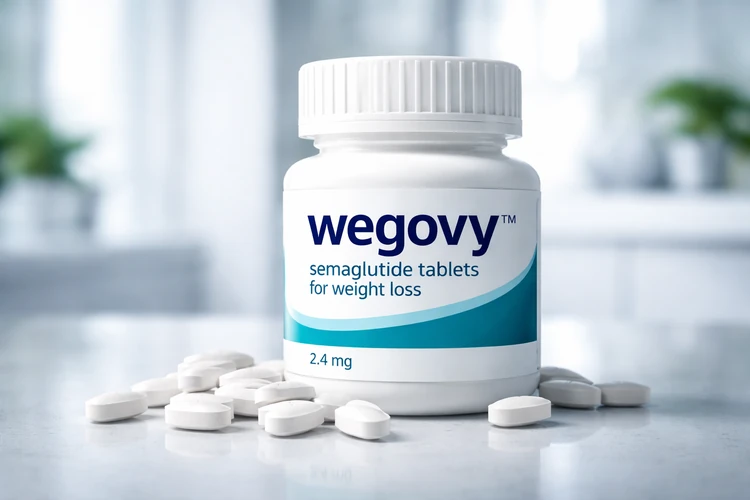
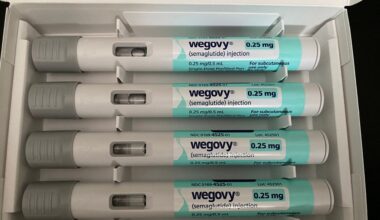
Wegovy Novo Nordisk Injectable (weekly) Chronic weight management 2021
Rybelsus Novo Nordisk Oral (daily tablet) Type 2 diabetes 2019

Active Ingredient: Tirzepatide

Brand Name Manufacturer Route FDA-Approved Use FDA Approval Year
Mounjaro Eli Lilly Injectable (weekly) Type 2 diabetes 2022
Zepbound Eli Lilly Injectable (weekly) Chronic weight management 2023

Why Hormones Matter in Weight Management

Hormones are chemical messengers that travel through your bloodstream to tissues and organs, coordinating complex processes like hunger, fullness, and energy use. They create a feedback system designed to maintain balance (homeostasis), which includes defending a certain body weight.

When this system is balanced, it supports a healthy weight. However, modern lifestyles can disrupt hormonal signaling. Factors like chronic stress, poor sleep, and diets high in processed foods can lead to imbalances that promote fat storage, increase hunger, and reduce metabolic rate. This explains why simply reducing calories isn’t always enough; if your hormonal signals are telling your body to store fat and conserve energy, sustainable weight loss becomes a significant challenge.

Key Hormones That Influence Fat Storage and Appetite

Several key hormones work in concert to control your body weight:

  • Insulin: Often called the “storage hormone,” insulin is released by your pancreas when you eat, especially carbohydrates. Its primary job is to shuttle glucose (sugar) from your bloodstream into your cells for energy. However, chronically high insulin levels, often driven by a high-sugar diet, can promote fat storage and make it harder for your body to use stored fat for fuel.

  • Leptin: Produced by your fat cells, leptin is the “satiety hormone.” It signals to your brain that you have sufficient energy stores, which should help reduce appetite. In a state of balance, more body fat leads to higher leptin levels, which should curb hunger.

  • Ghrelin: Known as the “hunger hormone,” ghrelin is produced in your stomach. Its levels rise before a meal, sending a powerful signal to your brain that it’s time to eat, and fall after you’ve eaten.

  • Cortisol: This is your primary “stress hormone.” In acute, short-term situations, cortisol is helpful. But chronic stress leads to persistently elevated cortisol, which may increase appetite and drive the body to store visceral fat around the abdomen.

  • Thyroid Hormones (T3 & T4): Produced by the thyroid gland, these hormones act as your body’s thermostat, setting your basal metabolic rate—how many calories you burn at rest. An underactive thyroid (hypothyroidism) can slow metabolism and lead to weight gain.

How Hormonal Imbalances Can Drive Weight Gain

When these hormonal signals become disrupted, they can create cycles that promote weight gain and prevent loss:

  • Insulin Resistance: This is a condition where your cells stop responding efficiently to insulin. Your pancreas then produces even more insulin to compensate. High insulin levels block fat burning and encourage fat storage, creating a barrier to weight loss. It’s a common precursor to type 2 diabetes.

  • Leptin Resistance: Similar to insulin resistance, leptin resistance occurs when the brain stops responding to leptin’s signals. Despite having high leptin levels (from having more body fat), the brain thinks the body is starving. This blunts satiety signals and can lead to increased food intake, perpetuating a cycle of weight gain.

  • The Stress-Fat Connection: Chronic stress keeps cortisol levels high. Research indicates that this can stimulate appetite and promote cravings for high-calorie, sugary, and fatty foods, while also encouraging fat storage in the abdominal area.

Weight Loss Drugs and Hormonal Pathways

This understanding of hormones has led to breakthroughs in medication-assisted weight management. Drugs like semaglutide (Ozempic®, Wegovy®, Rybelsus®) and tirzepatide (Mounjaro®, Zepbound®) work by directly targeting these hormonal pathways.

  • GLP-1 Receptor Agonists: Semaglutide mimics a natural hormone called GLP-1 (Glucagon-Like Peptide-1). It works by:

    • Slowing stomach emptying, which helps you feel fuller longer after eating.

    • Activating receptors in the brain that reduce appetite and cravings.

    • Enhancing insulin secretion and improving blood sugar control.

  • Dual-Action Agonists: Tirzepatide goes a step further by mimicking two hormones: GLP-1 and GIP (Glucose-dependent Insulinotropic Polypeptide). This dual action may provide enhanced benefits for blood sugar control and weight loss.

A 2021 systematic review in The BMJ confirmed that these drugs lead to significant, clinically meaningful weight loss compared to placebo. They work not by sheer willpower but by correcting underlying hormonal signaling issues related to appetite and satiety, helping to reduce calorie intake naturally.

Signs Your Hormones Might Be Affecting Your Weight

Consider exploring hormonal factors if you experience:

  • Persistent hunger shortly after eating a full meal.

  • Intense cravings, especially for sugars and carbohydrates.

  • Fatigue and energy crashes, particularly in the afternoon.

  • Difficulty losing weight despite consistent diet and exercise efforts.

  • Weight gain concentrated around the abdomen.

  • Feeling “cold all the time,” dry skin, or hair loss (potential signs of thyroid imbalance).

Strategies for Supporting Healthy Hormone Balance

You can support your hormonal health through lifestyle:

  1. Prioritize Protein and Fiber: Meals rich in lean protein and high-fiber vegetables can help stabilize blood sugar and insulin levels and increase satiety.

  2. Manage Stress Proactively: Incorporate daily practices like walking, meditation, deep breathing, or yoga to lower cortisol.

  3. Optimize Sleep: Aim for 7-9 hours of quality sleep per night. Poor sleep disrupts ghrelin and leptin, increasing hunger.

  4. Incorporate Strength Training: Building muscle improves insulin sensitivity, meaning your body uses insulin more effectively.

  5. Seek Professional Guidance: A healthcare provider can order tests to check for conditions like insulin resistance, thyroid disorders, or hormonal deficiencies and discuss if weight loss medications are an appropriate option for you.

Key Takeaways for Sustainable Weight Management

  • Weight regulation is heavily influenced by hormones like insulin, leptin, ghrelin, and cortisol.

  • Imbalances such as insulin resistance and leptin resistance can create biological barriers to weight loss.

  • Medications like semaglutide and tirzepatide work by targeting these specific hormonal pathways to reduce appetite and improve metabolic health.

  • Sustainable management combines lifestyle strategies focused on hormone health with medical interventions when appropriate.

Final Thoughts: Harnessing Hormones for a Healthier Weight

Viewing weight management through the lens of hormone balance provides a more compassionate and effective framework. It moves the focus from sheer calorie counting to understanding the body’s internal chemistry. Whether you are optimizing nutrition, managing stress, or exploring evidence-based medications under a doctor’s care, you are working with your biology, not against it. By partnering with a knowledgeable healthcare provider, you can develop a personalized strategy that addresses these core hormonal factors for lasting health.

Whether you’re interested in microdosing GLP-1 medications or just looking to get started with weight loss or diabetes management medications, Heally can help connect you to the doctor you need. Our partners can help you discuss your options and create a personalized plan, all from the comfort of your home. Book a free consultation today!

Sources

Important Medical Information and Disclaimers

Medical Disclaimer

This article, “How Hormones Control Weight Gain and Loss: The Science Behind Your Metabolism,” is for educational purposes only and is not intended to replace professional medical advice, diagnosis, or treatment. Always seek the advice of a qualified healthcare provider regarding any questions you may have about a medical condition, medication, or treatment plan. Never ignore professional medical advice or delay seeking it because of something you have read here.

GLP-1 receptor agonists such as semaglutide (marketed under brand names Ozempic®, Wegovy®, and Rybelsus®) and the dual GIP/GLP-1 agonist tirzepatide (marketed under brand names Mounjaro® and Zepbound®) are FDA-approved prescription medications for specific uses in type 2 diabetes management and, in some cases, chronic weight management. These medications are not over-the-counter supplements and should be used only under the guidance of a licensed healthcare provider.

Compounded Drug Warning

The FDA has not approved compounded drugs and has issued safety alerts about dosing errors, product contamination, and other quality concerns. Compounded drugs are custom formulations made by pharmacies and may vary in quality, safety, and effectiveness, which can increase the risk of side effects or treatment failure. The FDA has warned against using these versions due to issues with incorrect ingredients, poor storage, or improper dosage. Always get medications from a licensed pharmacy with a valid prescription.

Individual Results May Vary

Responses to GLP-1 therapy can vary from person to person. Factors such as diet, physical activity, sleep quality, underlying medical conditions, other medications, and individual metabolism can all influence both side effects and overall results. Clinical trial outcomes may differ from real-world experiences.

Possible Side Effects

Common side effects of GLP-1 medications may include:

  • Nausea
  • Vomiting
  • Diarrhea
  • Constipation
  • Stomach pain or discomfort
  • Decreased appetite
  • Indigestion or gas
  • Redness, itching, or soreness at the injection site

Most side effects are mild to moderate and may improve as your body adjusts to treatment. If you experience severe or persistent symptoms, contact your healthcare provider promptly.

Boxed Warning (Thyroid C-Cell Tumor Risk)

GLP-1 receptor agonists, including semaglutide, carry an FDA boxed warning regarding the potential risk of thyroid C-cell tumors. Do not use if you or a family member has a history of medullary thyroid carcinoma (MTC) or multiple endocrine neoplasia syndrome type 2 (MEN 2).

When to Seek Immediate Medical Attention

Contact your healthcare provider or seek emergency care if you experience:

  • Severe abdominal pain that does not go away
  • Signs of an allergic reaction (rash, swelling, difficulty breathing)
  • Symptoms of pancreatitis (severe abdominal pain, vomiting)
  • Symptoms of severe dehydration (dizziness, confusion, rapid heartbeat)

FDA Adverse Event Reporting

To report medication side effects to the FDA, visit www.fda.gov/medwatch or call 1-800-FDA-1088. You may also contact the medication’s manufacturer directly.


Interested in GLP-1 Weight Loss?
Interested in Learning More? Book Free Consultation.
Which GLP-1 Treatment Is Right For Your Weight Loss?
0 Shares: