


Get Any Lab Test Prescription Online
Get comprehensive health insights with up to 100+ test panel bloodwork, covering everything from basic wellness to detailed hormone and organ function analysis. Simply connect with a licensed doctor through our secure platform, discuss your health goals, and receive your lab prescription within 24 hours. Tests start at $199, with results available in your Heally dashboard. No insurance or membership needed - just book any lab test and track your health journey.
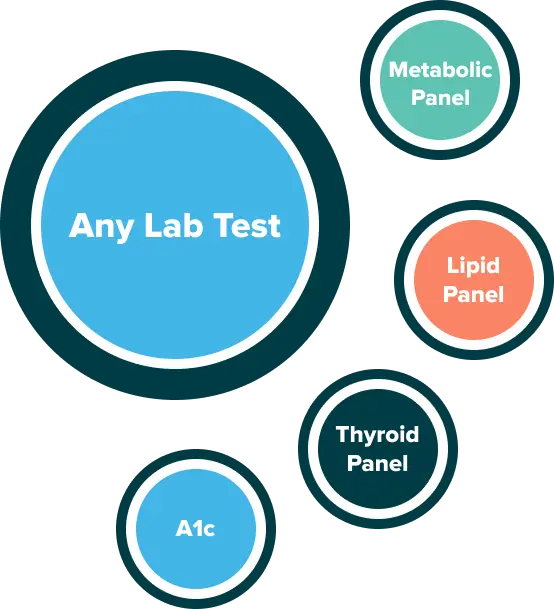

How Our Full Panel Lab Test Works
Get the complete picture of your health with our comprehensive testing panel. Yes, you can complete all 100+ tests in a single lab visit, making it convenient and time-efficient. Our panel covers everything from basic wellness markers to specialized diagnostics, including cancer screening markers, complete blood count, hormone levels, organ function, metabolism markers, and urinalysis.

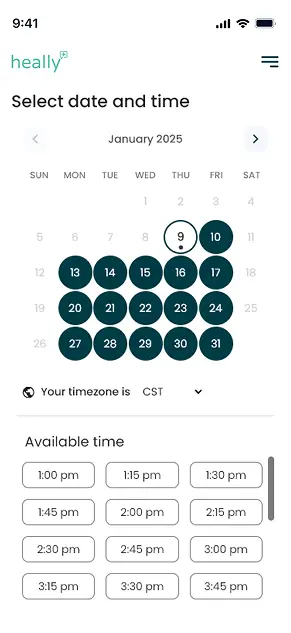
Get Your Bloodwork Every 6 Months With Ease
Regular wellness blood testing is key to monitoring your vital health markers and proactively managing your health. Our comprehensive panel ensures you get detailed insights with minimal time investment.


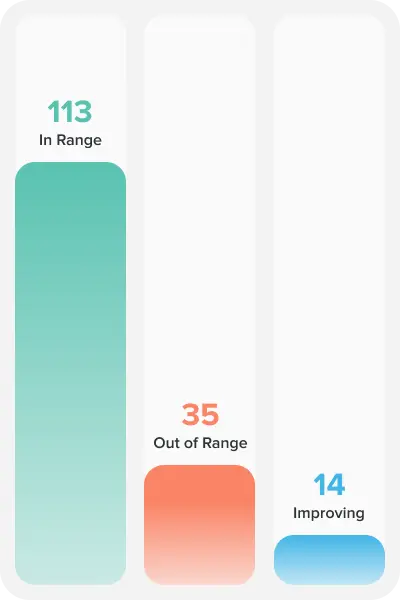
Enjoy all the benefits of continuous health monitoring
Transform your wellness journey with precise biomarker tracking and comprehensive blood testing analysis. Stay informed about your health metrics with regular monitoring and professional insights.
- Track up to 100+ vital health markers from hormone levels to organ function
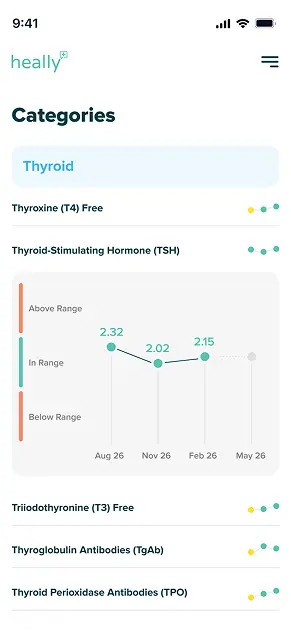
- Monitor your metabolic panel results with lifetime trend analysis
- Detect early signs of health changes through regular blood work
- Access any lab test you need from one secure dashboard

- Track up to 100+ vital health markers from hormone levels to organ function
- Monitor your metabolic panel results with lifetime trend analysis
- Detect early signs of health changes through regular blood work
- Access any lab test you need from one secure dashboard
Get a chart with up to 100+ lab values
Analyzes how antibodies bind to cell nuclei, helping identify specific types of autoimmune conditions. Different patterns can indicate various disorders like lupus or scleroderma.
Checks for antibodies that mistakenly target your body's own healthy cell nuclei. This initial screening test helps detect potential autoimmune disorders requiring further investigation.
Measures the concentration of antinuclear antibodies to determine autoimmune response severity. Higher concentrations often indicate more active autoimmune conditions.
Tests for immune proteins that can signal rheumatoid arthritis and other autoimmune conditions. Higher levels may indicate active inflammation or developing autoimmune disorders.
Identifies immune response to a specific enzyme that's targeted in celiac disease. This highly specific test helps confirm celiac disease diagnosis and monitor intestinal healing.
Lyme IgG antibodies develop during later stages of infection and persist in chronic cases. These antibodies help monitor disease progression and treatment effectiveness. This result is only processed if Lyme Antibody is positive or equivocal.
Lyme IgM antibodies appear early when infection first occurs and indicate active disease. Their presence helps doctors identify new infections requiring immediate treatment. This result is only processed if Lyme Antibody is positive or equivocal.
Lymphocytes protect against multiple conditions including autoimmune disorders and infections. When levels drop, the immune system weakens and becomes vulnerable to illness.
Monocytes eliminate invaders and support tissue healing throughout the body. Their levels change with bacterial infections, viruses, stress and chronic conditions.
Neutrophils serve as immune system first responders, attacking antigens they encounter. Testing reveals inflammatory problems, infections, and physical stress on the body.
High-sensitivity CRP reveals inflammation linked to major diseases before symptoms develop. This protein increases with heart disease, diabetes, cancer and autoimmune conditions.
White blood cells defend against infections and regulate immune responses systemwide. Abnormal counts signal active infections or underlying medical problems.
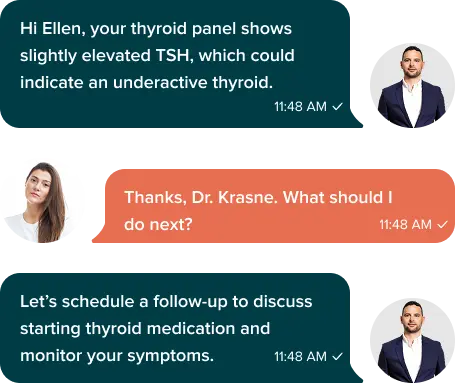
Lab Results With Clinical Summary From Health Care Provider
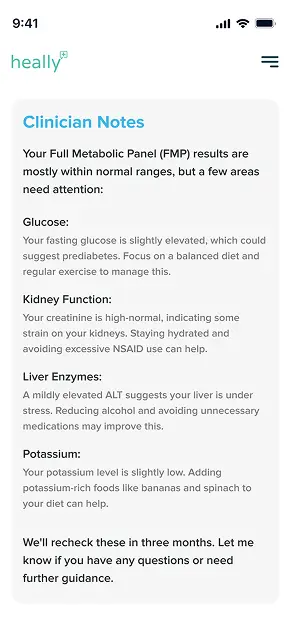
Every test result is carefully analyzed by our expert Clinical Team, who examines each biomarker to create a clear, comprehensive picture of your health status. Our licensed healthcare providers translate complex lab data into actionable insights, helping you understand exactly what your results mean for your wellbeing. For any concerning findings, our clinicians will contact you directly to discuss the results and recommend appropriate next steps.
Beyond just providing numbers, our medical professionals deliver personalized interpretations that put your results in context. They consider your full health history, current symptoms, and wellness goals to create meaningful recommendations. We believe in empowering you with knowledge – each result comes with detailed explanations, potential implications, and specific steps you can take to optimize your health. If urgent concerns arise from your lab work, our team ensures you're promptly informed and supported with clear guidance on how to proceed.
What Is Heally's Telehealth Platform?
Heally is a comprehensive telehealth platform that connects patients with licensed healthcare providers for lab testing and medical consultations. Licensed in all 50 states, our platform brings together expert physicians, state-of-the-art laboratory testing, and advanced health monitoring in one secure, easy-to-use solution.

Complete Laboratory Testing
Secure Health Monitoring
Affordable Healthcare Solutions


Instant Access To Expert Care
Lab Testing Cost


- Provider consultation and prescription
- Access to 60+ essential health markers
- Clinical interpretation of results
- Follow-up provider support
- No Insurance Necessary. HSA/FSA eligible
FAQ About Lab Tests
-
What are lab tests?
Laboratory tests are medical diagnostic procedures that analyze samples of blood, urine, or other body substances to evaluate your health status. They measure various components like hormones, nutrients, enzymes, and other biomarkers that indicate how well your body's systems are functioning.
-
Why do I need to do lab tests?
Regular lab testing helps detect potential health issues before they become serious problems. Tests can monitor existing conditions, check organ function, screen for diseases, evaluate medication effectiveness, and track your overall wellness progress. They provide crucial data that helps healthcare providers make informed decisions about your care.
-
Which lab tests require a doctor's prescription?
Most comprehensive blood tests require a doctor's prescription, including:
- Complete blood counts
- Metabolic panels
- Hormone testing
- Lipid panels
- Thyroid function tests
- Specialized biomarker testing
-
How do I get a doctor's prescription online for a lab test?
Simply connect with a licensed Heally provider through our platform. Select your desired tests, complete a brief health questionnaire, and schedule a quick consultation. Your provider will review your information and issue appropriate test prescriptions, typically within 24 hours.
-
What happens after I get a prescription online?
Once you receive your prescription, you can:
- Choose a convenient laboratory location
- Schedule your appointment
- Get your blood drawn
- Access results through your secure Heally dashboard
-
Can I get the lab test results online?
Yes, all test results are available through your secure Heally dashboard. You'll receive a notification when results are ready, typically within 2-5 business days. Each result includes detailed explanations and provider insights.
-
Is it safe to get a doctor's prescription for laboratory testing online?
Yes, Heally is a HIPAA-compliant platform working with licensed healthcare providers and CLIA-certified laboratories. All prescriptions are issued by board-certified physicians following standard medical protocols.
-
What are the benefits of getting a lab test done?
- Early detection of health issues
- Tracking of existing conditions
- Prevention of potential problems
- Personalized health insights
- Data-driven treatment decisions
- Regular health monitoring
-
What if I have questions about a specific lab test?
Our healthcare providers are available to answer any questions about specific tests. You can message them through the platform or schedule a follow-up consultation to discuss your concerns.
-
Can you offer test packages to check women's health or cancer predispositions?
Yes, we offer specialized panels for:
- Women's hormone health
- Cancer screening markers
- Reproductive health
- Thyroid function
- Comprehensive wellness
-
How many tests can I have at once?
You can complete multiple tests in a single laboratory visit. Our comprehensive panels include up to 100+ markers, all from one blood draw session.
-
How long does it take to do all needed tests?
Most laboratory visits take 15-30 minutes, regardless of how many tests are ordered. The blood draw process is quick and efficient, and can be done at any labcorp facility.
-
How much does it cost to get a test prescription with Heally?
Any Lab test prescription consultations with comprehensive lab testing packages start at $199. This includes your provider consultation, test prescriptions, and follow-up result review. We provide transparent pricing upfront, and many of our tests are HSA/FSA eligible.

With more than 30 years of physician practice in the Obstetrics and Gynecology specialty, Dr. Niles is recognized as a leading authority on the delivery of quality medical care. She has a well-established and respected history of worldwide medical collaboration, research, philanthropy, and distinguished leadership.
Data Last Updated 12/01/2025