


Consult With a Doctor About Mounjaro Prescription
Mounjaro (tirzepatide) is FDA-approved to treat type 2 diabetes. Some healthcare providers may also prescribe it off-label for weight loss. Learn more about using Mounjaro for weight loss here. At Heally, you can connect with a licensed provider online to discuss your health goals and find out if Mounjaro or any other medication is right for you. Coupons and discounts for our program may be available to help lower the cost.

Mounjaro Weight Loss Results
In clinical trials, some people lost weight while using Mounjaro with diet and exercise. This happened in studies like SURPASS-2 and SURMOUNT-1. Results vary from person to person. Weight loss depends on things like your treatment plan, diet, activity level, and overall health. These results are from studies and may not be the same for everyone.
Not sure which GLP Medication is right for you?
Speak to our care team today!
GLP-1 Medications for Weight Loss
Price starts at $350 from Eli Lilly Direct and shipped directly to your home. No insurance necessary. Zepbound (tirzepatide) is an FDA approved weight loss medication that targets both GLP-1 and GIP receptors. In contrast to Semaglutide, which solely focuses on the GLP-1 receptor, Zepbound’s innovative approach not only aids in significant weight loss but also enhances overall metabolic health more effectively.

Ozempic whose active ingredient is semaglutide, is FDA approved for type 2 diabetes, has shown to promote weight loss. Studies indicate that, on average, people using Ozempic for weight loss experience a 5-15% weight loss when combined with healthy lifestyle changes such as diet and exercise.

Wegovy, designed specifically for weight management comes as a once-weekly injection with a higher dosage than Ozempic, resulting in more substantial weight loss. In clinical trials, individuals using Wegovy for weight loss experienced an average weight loss of 15%.

Rybelsus is the brand name for oral semaglutide, a pioneering medication designed for the management of type 2 diabetes. It is the first GLP-1 receptor agonist available in a tablet form, eliminating the need for injections. Rybelsus works by enhancing insulin secretion, suppressing appetite. Rybelsus is not FDA approved for weight loss.

Mounjaro (tirzepatide) is a medication that acts on both GLP-1 and GIP receptors, offering a dual mechanism to enhance weight loss and improve glucose control, making it distinct from other semaglutide treatments like ozempic for weight loss.

Liraglutide is a GLP-1 receptor agonist medication used for weight management and type 2 diabetes treatment. Available under brand names Victoza (for diabetes) and Saxenda (for weight loss), it helps regulate blood sugar and reduce appetite. Compounded liraglutide offers a customized approach to weight loss, working by mimicking a natural hormone that targets areas of the brain controlling appetite and food intake.

How does Mounjaro help you lose weight?
Mounjaro is designed as a medication to treat diabetes, weight loss may be a secondary effect. As the medication effects your appetite, it can lead to potential weight loss. Why does this happen? The drug works by mimicking natural hormones that help control blood sugar and reduce appetite . Mounjaro also slows how quickly food leaves the stomach, which may help people feel full longer. While it is not FDA-approved for weight loss, some patients may lose weight as a secondary effect when using it with diet and exercise.

Get Mounjaro Prescription Online
Getting a medication prescription online is made easier with Heally’s telehealth platform. To get started, sign up on our platform. We’ll connect you with licensed doctors who can prescribe tirzepatide, including Mounjaro, when it’s medically appropriate. Once prescribed, your medication will be shipped directly to your home from a local pharmacy.
Insurance coverage for Mounjaro varies by provider. For our weight loss program, you can use FSA or HSA, and payment plans are available through Sezzle. Plus, Heally offers exclusive coupons and discounts to help reduce your treatment costs.
If you have questions about Mounjaro insurance coverage, check with your insurance provider to understand your benefits. Heally’s services can also complement your insurance plan. Start your journey toward better health by getting your Mounjaro prescription online through Heally—making treatment accessible and convenient.
Mounjaro doctors and providers

Dr. Krasne

Dr. Niles

Dr. Cheryl
Mounjaro Coupons and Discounts
Heally may offer discounts and coupons to eligible patients, which could help reduce treatment costs. Eligible patients can use coupon cards and special $25 coupons from the manufacturer’s savings programs. These discounts can lower the monthly cost of Mounjaro.


- Unlimited 1:1 provider consults specializing in weight loss
- Prescription sent to local pharmacy
Cost of medication not included and is paid seperately
Why Choose Heally to Consult a Provider about Mounjaro?
Selecting Heally for your weight loss needs comes with benefits designed to support your health journey from start to finish.
Competitive Discounts and Coupons

Comprehensive Guidance
Instant Connection to Doctors

100% Online Process
How to Store and Use the Medication

Mounjaro should be kept refrigerated at 36°F to 46°F (2°C to 8°C) until the time of use. If needed, it may be stored at room temperature—up to 86°F (30°C)—for a maximum of 21 days. Do not freeze. It's vital to ensure Mounjaro refrigeration is consistent.
When starting treatment, patients often ask, "How long does Mounjaro take to work?". Some patients may notice changes in their blood sugar levels within a few weeks. When used off-label for weight loss, results can vary. Some people begin to see weight-related changes within the first 4 to 6 weeks, while more noticeable results may take several months with consistent use, healthy eating, and physical activity.
Limit high-calorie, sugary, and processed foods to get better results. Eating a balanced diet with vegetables, fruits, lean proteins, and whole grains will support your weight loss.

How long you stay on Mounjaro depends on your doctor’s advice. Treatment time varies for each person based on their health and how they respond to the medicine.
Mounjaro Contraindications
When thinking about Mounjaro dosing, it’s important to know some conditions that may make it unsafe. Here are the main things to keep in mind:
-
Mounjaro and Alcohol:
Alcohol consumption may affect blood sugar levels. It's advisable to limit or avoid alcohol while using Mounjaro.
-
Mounjaro and Other Medications:
It can interact with other medications, potentially altering its effects. Always discuss your current medications with your healthcare provider before starting Mounjaro.
-
Mounjaro and Pregnancy:
Mounjaro is not recommended for use during pregnancy due to unknown effects on fetal development. Women of childbearing age should use effective contraception while on Mounjaro and consult their healthcare provider.
-
Mounjaro and Thyroid Disorders:
Do not use Mounjaro if you have a personal or family history of medullary thyroid carcinoma (MTC) or if you have Multiple Endocrine Neoplasia syndrome type 2 (MEN 2).
It's very important to discuss your health history and any medications you're taking with your healthcare provider to ensure Mounjaro is a safe option for you.
Mounjaro Side Effects
Patients should be aware of the potential side effects of Mounjaro. Some of the commonly reported side effects include:
-
Mounjaro and Nausea:
Many patients (up to 40-50%) experience nausea when starting Mounjaro. This side effect is usually mild to moderate and tends to improve after the first few weeks of treatment. Nausea often occurs during dose increases and becomes less frequent with continued use.
-
Mounjaro and Hair Loss:
A less common but noted side effect is hair thinning or loss . This typically improves once your body adjusts to the medication or when the dose is stabilized.
-
Mounjaro and Headache:
People may experience mild to moderate headaches, especially during the first few weeks of treatment or when the dose is increased. These headaches often improve as the body adjusts to the medication.
-
Mounjaro and Diarrhea:
Diarrhea is one of the most common side effects reported by patients taking Mounjaro. It affects about 20-25% of users, typically starting within the first few weeks of treatment or after dose increases. Most cases are mild to moderate and last for a few days to weeks. Staying hydrated and adjusting diet can help manage symptoms. If diarrhea is severe or persistent, patients should contact their healthcare provider.
-
Mounjaro and Fatigue:
Fatigue is reported by some patients taking Mounjaro, affecting around 10-15% of users. It often occurs in the first few weeks of treatment as the body adjusts to the medication. If fatigue is severe or lasts longer than expected, patients should talk to their healthcare provider.
-
Mounjaro and Pancreatitis:
Pancreatitis is a rare but serious side effect reported in some patients using Mounjaro. It involves inflammation of the pancreas and requires immediate medical attention. Symptoms include severe abdominal pain, nausea, vomiting, and fever. If you experience these symptoms, stop taking Mounjaro and seek emergency care right away. Always inform your healthcare provider about any history of pancreatitis before starting treatment.
Regular monitoring of kidney function and blood sugar levels is recommended. Always discuss any concerns or symptoms with your healthcare provider to ensure your treatment plan is both safe and effective. A full list of side effects can be found here.
Tirzepatide and Other Medications for Weight Loss
When considering tirzepatide for weight loss, it's helpful to compare it with other available treatments. Here's how Mounjaro (tirzepatide) stacks up against other popular weight loss medications:
-
Mounjaro (tirzepatide) vs. Wegovy (semaglutide)
Mounjaro is FDA-approved to treat type 2 diabetes, while Wegovy is FDA-approved for weight management. Mounjaro targets both GIP and GLP-1 receptors to help control blood sugar, whereas Wegovy works by targeting GLP-1 receptors to support weight loss.
-
Mounjaro (tirzepatide) vs. Ozempic (semaglutide)
Both Mounjaro and Ozempic are FDA-approved to manage type 2 diabetes. Ozempic contains semaglutide, and Mounjaro contains tirzepatide. Both medications may also lead to weight loss as a secondary benefit in diabetes treatment.
-
Trulicity (dulaglutide) vs. Mounjaro (tirzepatide)
Mounjaro and Trulicity are FDA-approved for type 2 diabetes management. Trulicity targets GLP-1 receptors, while Mounjaro acts on both GLP-1 and GIP receptors, offering a dual approach to blood sugar control.
-
Rybelsus (semaglutide) vs. Mounjaro (tirzepatide)
Rybelsus is an oral semaglutide medication for type 2 diabetes, while Mounjaro is an injectable tirzepatide. Both are FDA-approved diabetes treatments but differ in delivery method and receptor targets.
-
Saxenda (liraglutide) vs. Mounjaro (tirzepatide)
Saxenda is FDA-approved for weight management, containing liraglutide, a GLP-1 receptor agonist. Mounjaro is FDA-approved for type 2 diabetes and contains tirzepatide, which targets both GLP-1 and GIP receptors.
-
Victoza (liraglutide) vs. Mounjaro (tirzepatide)
Both Victoza and Mounjaro are FDA-approved for type 2 diabetes. Victoza contains liraglutide, a GLP-1 receptor agonist, while Mounjaro contains tirzepatide, a dual GLP-1 and GIP receptor agonist, representing different treatment options.
Research on tirzepatide is ongoing. A related medication containing tirzepatide, marketed under the brand name Zepbound, is FDA-approved for weight management .
FAQ: Mounjaro 101
-
How does Mounjaro work?
Mounjaro functions by mimicking and enhancing the effects of hormones that regulate blood sugar and appetite, which leading to reduced hunger and potential weight loss.
-
What is Mounjaro?
Mounjaro is a prescription medication FDA-approved for type 2 diabetes management in adults, and may be prescribed off-label for other conditions by healthcare providers.
-
How to get Mounjaro?
Mounjaro can be prescribed by a healthcare provider who deems it appropriate for your weight management plan, available through pharmacies.
-
How much does Mounjaro cost?
The cost of Mounjaro varies depending on dosage and insurance coverage, with prices potentially running high without insurance.
-
How do you get $25 Mounjaro?
Some may qualify for manufacturer discounts or savings programs, reducing the cost.. Ask us about potential coupons and discounts.
-
Why am I not losing weight on Mounjaro?
Mounjaro is primarily prescribed for diabetes management. Any weight changes can vary based on diet, exercise, and individual factors. Consult with your healthcare provider about your treatment goals and dosage.
-
How to inject Mounjaro??
Mounjaro is administered through subcutaneous injection, usually once a week. Detailed instructions are provided with the medication.
-
How long do you take Mounjaro for weight loss?
The duration of Mounjaro treatment can vary based on individual health goals and provider recommendations. It's intended for long-term use in diabetes management.
-
What is Mounjaro used for?
Mounjaro is FDA-approved for type 2 diabetes management in adults, alongside diet and exercise. It may be prescribed off-label for other conditions by healthcare providers.
-
Who should not take Mounjaro?
Individuals with a personal or family history of certain thyroid cancers, those with pancreatitis, pregnant women, or those allergic to its ingredients should avoid Mounjaro.
-
How long does Mounjaro side effects last?
Side effects like nausea and diarrhea are usually temporary, often subsiding as your body adjusts to the medication over a few weeks.
-
How to use a Mounjaro pen?
The Mounjaro pen is designed for easy, self-administered injections, with step-by-step instructions included in the packaging.
-
How quickly does Mounjaro work?
Some individuals may notice effects on appetite and potential weight loss within the first few weeks of treatment, with significant results over months of consistent use.
-
How can I get Mounjaro?
Consult with a healthcare provider to discuss if Mounjaro is right for you. If prescribed, it can be obtained from most pharmacies with a valid prescription.
-
What are the side effects of tirzepatide?
Side effects of tirzepatide can include nausea, diarrhea, vomiting, decreased appetite, and potential risks of thyroid C-cell tumors. Full list of side effects can be found here.
-
Where to inject tirzepatide?
Tirzepatide is injected subcutaneously, with recommended sites including the abdomen, thigh, or upper arm, rotating injection sites with each dose.
-
What foods to avoid while taking tirzepatide?
There are no specific foods to universally avoid while on tirzepatide, but a balanced diet may enhance weight loss results. Your healthcare provider can offer personalized advice.
Mounjaro Health And News
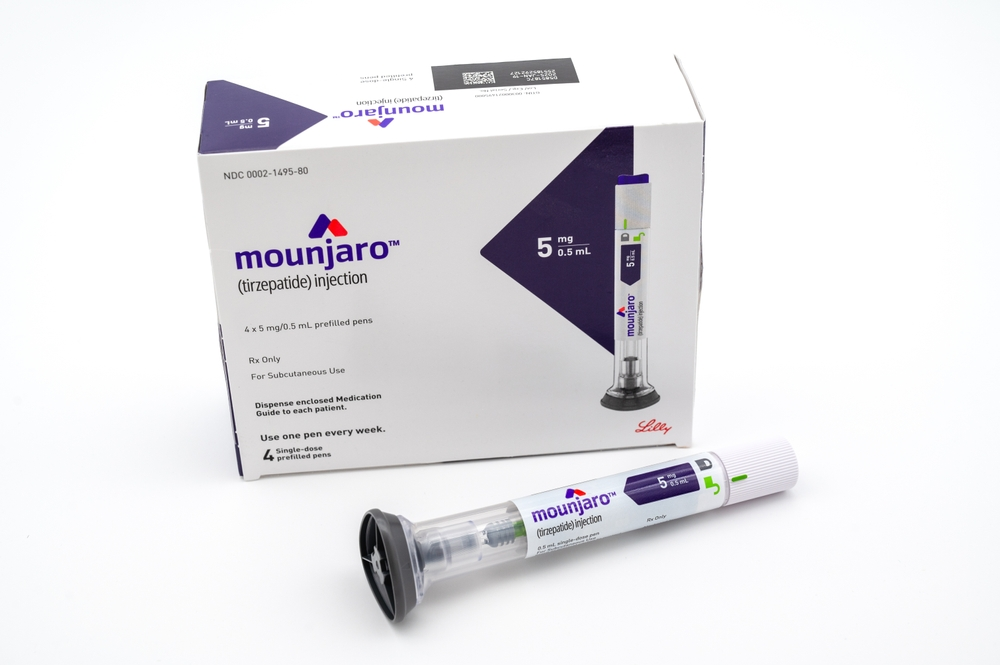
Mounjaro Dosing Guide for Safe Weight Loss
Mounjaro (tirzepatide) may be FDA-approved for type 2 diabetes, but it has resulted in impressive weight loss for many individuals…

What are Mounjaro side effects and how to treat them?
Mounjaro (tirzepatide) has emerged as a powerful tool for managing type 2 diabetes and promoting weight loss. However, it comes with potential side effects…

Ozempic vs Mounjaro – which medication is better for weight loss?
In the world of weight loss medications, two names have been making waves: Ozempic and Mounjaro...
With more than 30 years of physician practice in the Obstetrics and Gynecology specialty, Dr. Niles is recognized as a leading authority on the delivery of quality medical care. She has a well-established and respected history of worldwide medical collaboration, research, philanthropy, and distinguished leadership.
Important Disclaimers
Disclaimer: Individual results may vary. Mounjaro® (tirzepatide) is FDA-approved for the treatment of type 2 diabetes. While it may support weight loss, it is not FDA-approved for weight management. Any weight loss benefits discussed are based on clinical observations and may not reflect individual outcomes.
Mounjaro® is a registered trademark of Eli Lilly and Company. This website is not affiliated with, endorsed by, or sponsored by Eli Lilly. Any off-label use (such as for weight loss) should be discussed with a licensed healthcare provider.
Cost and availability of Mounjaro® may vary depending on pharmacy and insurance coverage. Discount programs are subject to eligibility requirements and third-party terms.
All medical decisions should be made in consultation with a licensed healthcare provider. The information provided is for educational purposes only and is not a substitute for professional medical advice, diagnosis, or treatment.
Common side effects may include nausea, diarrhea, and fatigue. Serious risks such as pancreatitis or thyroid tumors have been reported. Mounjaro should not be used by individuals with a personal or family history of medullary thyroid carcinoma or MEN 2 syndrome. Full safety information is available from the manufacturer.
Important Disclaimers
Disclaimer: Individual results may vary. Mounjaro® (tirzepatide) is FDA-approved for the treatment of type 2 diabetes in adults. While some patients report weight loss, it is not currently approved by the FDA for weight management. Any weight loss information presented is for educational purposes only and should not be interpreted as a guaranteed outcome.
Mounjaro® is a registered trademark of Eli Lilly and Company. Wegovy®, Ozempic®, Saxenda®, Victoza®, and Rybelsus® are registered trademarks of Novo Nordisk A/S. Trulicity® is also a registered trademark of Eli Lilly. This site is not affiliated with, endorsed by, or sponsored by any of these companies. Product mentions are for informational and comparative purposes only.
This page is for informational purposes only and does not constitute medical advice. Always consult with a licensed healthcare provider to determine if Mounjaro or any related medication is right for your health condition. Off-label uses should be discussed and monitored by a medical professional.
Common side effects of tirzepatide may include nausea, diarrhea, decreased appetite, and fatigue. Serious risks include pancreatitis and potential thyroid C-cell tumors. Mounjaro should not be used by individuals with a personal or family history of medullary thyroid carcinoma (MTC) or Multiple Endocrine Neoplasia syndrome type 2 (MEN 2). Report any persistent or severe symptoms to your healthcare provider.
Access to Mounjaro requires a valid prescription from a licensed provider. Costs and insurance coverage may vary depending on your plan and pharmacy. Manufacturer savings programs are subject to eligibility and availability.
For complete prescribing and safety information, visit the official FDA resource:
Data Last Updated 09/18/2025