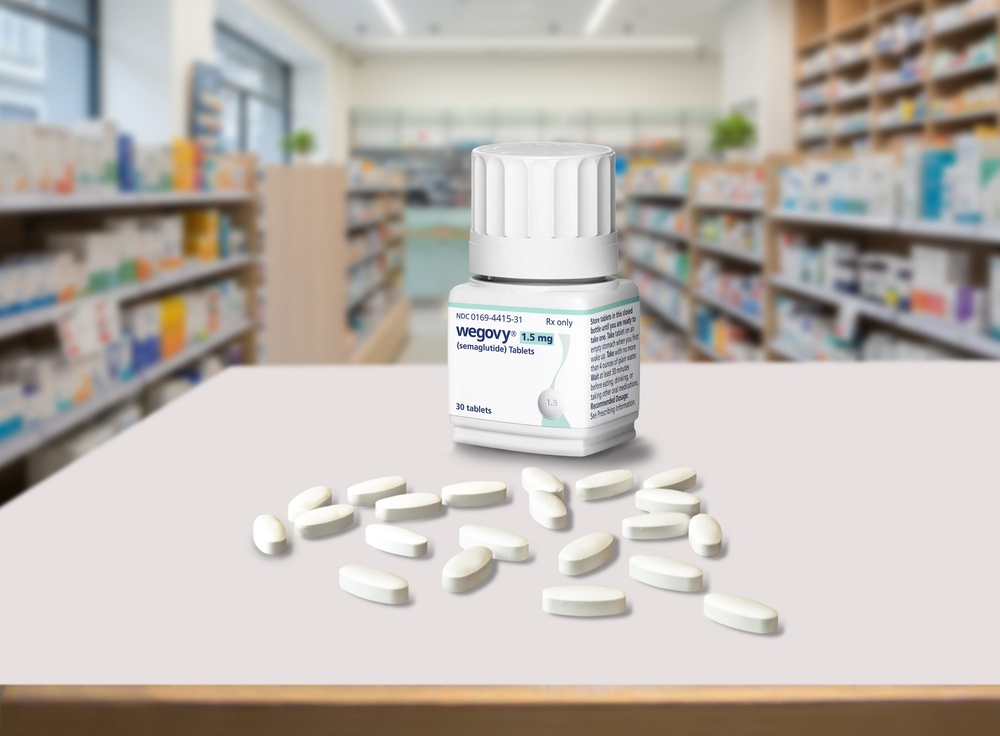
Understanding the differences between Wegovy pills vs injection options has become increasingly important now that both formulations are available for weight management. As individuals explore various forms of semaglutide, knowing how effectiveness, side effects, convenience, and cost compare can help inform discussions with healthcare providers about treatment options.
This comparison provides evidence-based information about both delivery methods to support informed healthcare decisions rather than promote any particular treatment approach.
Wegovy Pills vs Injection: Why This Comparison Matters
Understanding the Interest in Pill Alternatives
Many individuals exploring weight management medications express interest in oral formulations as alternatives to injectable options. Patient preference studies suggest several factors contribute to this interest, including concerns about needle administration, convenience considerations, and perceptions about treatment adherence.
Some individuals experience anxiety or discomfort related to self-injection, which may influence treatment adherence. Additionally, some people find daily oral medications more familiar or easier to integrate into existing routines compared to weekly injections.
Now that both injectable and oral Wegovy formulations have FDA approval for weight management, individuals and healthcare providers have options to consider based on personal preferences, lifestyle factors, and medical circumstances.
Current Treatment Landscape
Both Wegovy injection for weight loss and Wegovy oral pills represent FDA-approved options for chronic weight management in eligible patients. Understanding the characteristics of each formulation helps clarify which option might align better with individual needs and circumstances under medical guidance.
Does Wegovy Come in Pills or Only Injections Right Now?
Current Availability Status
Yes, Wegovy now comes in both forms. Wegovy is FDA-approved as:
Injectable Formulation: A once-weekly subcutaneous injection for chronic weight management in adults with obesity or overweight with at least one weight-related condition.
Oral Formulation: A daily oral tablet approved for the same weight management indication, providing an alternative for individuals who prefer or require oral medication.
Both formulations contain semaglutide as the active ingredient but differ in how the medication is delivered and absorbed by the body.
Regulatory Status
With FDA approval for both formulations, healthcare providers can prescribe either option based on individual patient assessment, preferences, medical appropriateness, and other factors. This represents an expansion of treatment options compared to when only injectable formulations were available.
How Wegovy Injections Work for Weight Loss
Mechanism of Action
Wegovy injections work through their function as GLP-1 (glucagon-like peptide-1) receptor agonists. This mechanism may influence several processes related to weight management:
Appetite Regulation: The medication may affect brain centers involved in hunger and satiety signaling, potentially influencing food intake patterns in some individuals.
Satiety Enhancement: GLP-1 receptor activation may promote feelings of fullness, which could influence eating patterns and portion sizes.
Metabolic Effects: The medication may influence various metabolic processes, though individual responses can vary significantly based on numerous personal factors.
Clinical trials have documented weight-related outcomes in study populations, with healthcare providers emphasizing that individual results depend on multiple factors including adherence to treatment protocols, lifestyle modifications, and individual physiological responses.
How Wegovy Pills Work
Oral Formulation Technology
Oral semaglutide formulations address significant pharmaceutical challenges related to absorption and bioavailability. Peptide medications like semaglutide normally face degradation in the digestive system, requiring specialized formulation approaches to achieve adequate absorption.
Absorption Technology: Oral Wegovy formulations incorporate absorption enhancers to facilitate intestinal uptake, allowing the medication to enter the bloodstream effectively when taken according to specific administration instructions.
Dosing Approach: Oral Wegovy requires daily administration with specific timing requirements, typically taken on an empty stomach with a small amount of water, followed by a waiting period before eating or drinking. These specific instructions help optimize absorption.
Consistency Factors: Following precise administration instructions becomes important for oral formulations, as food intake timing and other factors may influence medication absorption more significantly than injectable formulations.
Effectiveness Comparison: Pills vs Injections for Weight Loss
Clinical Evidence for Injectable Wegovy
Research on Wegovy injection for weight loss includes extensive clinical trial data. Published trials have documented that study participants using injectable semaglutide experienced average weight reductions of approximately 15% of initial body weight over study periods, though individual responses varied considerably.
Evidence Strength: Injectable Wegovy has robust clinical evidence from multiple large-scale trials, establishing its effectiveness for weight management in eligible patients.
Clinical Evidence for Oral Wegovy
Clinical trials examining oral Wegovy for weight management have documented effectiveness in study populations. According to available data, participants using oral Wegovy experienced average weight losses of approximately 14% of initial body weight in clinical trials.
Comparative Effectiveness: The similar average weight loss percentages between oral (14%) and injectable (15%) formulations suggest comparable effectiveness in clinical trial settings, though individual responses vary with both formulations.
Important Context: These represent average outcomes from controlled clinical trials. Individual results may differ based on numerous factors including adherence, lifestyle modifications, baseline health status, and physiological variation.
Side Effects: Are Pills Gentler Than Injections?
Understanding Side Effect Profiles
Both injectable and oral Wegovy formulations may cause similar side effects since they contain the same active ingredient working through the same mechanism. The side effect profile primarily relates to how semaglutide affects the body rather than the delivery method.
Common Side Effects:
Nausea, gastrointestinal discomfort including diarrhea or constipation, digestive system effects during dose escalation periods, and appetite changes represent commonly reported effects with both formulations.
Most side effects tend to be transient and may decrease as individuals adjust to treatment, though individual experiences vary significantly. Gradual dose escalation protocols help minimize side effect intensity in some individuals for both formulations.
Delivery-Specific Considerations: Injectable formulations may cause injection site reactions in some individuals, while oral formulations may have slightly different gastrointestinal symptom patterns due to direct contact with the digestive system. Overall side effect profiles remain similar between formulations.
Convenience and Adherence: Daily Pill vs Weekly Shot
Dosing Frequency Considerations
The choice between daily oral tablets and weekly injections often comes down to personal lifestyle and routine preferences.
Weekly Injection Pattern: Injectable Wegovy requires once-weekly administration on the same day each week. Some individuals find this easier to remember and incorporate into weekly routines. Less frequent dosing reduces the total number of administration events, though individuals with needle-related concerns may find injections challenging.
Daily Oral Administration: The oral formulation requires daily dosing with specific timing requirements – taking the tablet on an empty stomach with limited water, then waiting at least 30 minutes before eating, drinking other beverages, or taking other oral medications. Some individuals may find daily routines more familiar, though the specific timing requirements add complexity.
Real-World Adherence Factors
Routine Integration: Weekly injections require remembering one day per week and having a few minutes for self-administration. Daily pills require consistent morning routines with proper timing relative to food and other medications.
Missed Dose Management: The approach to handling missed doses differs between weekly injections and daily tablets. Clinical protocols provide specific guidance for each scenario, and healthcare providers can explain appropriate steps based on the chosen formulation.
Travel Considerations: Injections require proper storage, including refrigeration for unused pens, and careful transport. Oral tablets offer more straightforward travel logistics but still require consistent daily administration with proper timing.
Lifestyle Compatibility: Some individuals prefer setting aside one day weekly for medication administration, while others prefer integrating medication into daily morning routines despite timing requirements.
Cost Considerations: Pills vs Injections
Pricing and Insurance Coverage
With FDA approval for both formulations, pricing and insurance coverage become important practical considerations for many patients.
List Pricing: According to available information, oral Wegovy has a list price of approximately $149 per month, while injectable Wegovy pricing may differ. However, actual out-of-pocket costs depend significantly on insurance coverage, copay structures, and available patient assistance programs.
Insurance Coverage: Coverage policies vary significantly among insurance plans. Some plans may cover one formulation but not the other, require prior authorization for specific forms, or have different copay structures for oral versus injectable medications. Checking with insurance providers helps determine actual costs for each option.
Patient Assistance Programs: Manufacturer patient assistance programs may be available for both formulations, potentially reducing out-of-pocket costs for eligible individuals. Healthcare providers and pharmacies can provide information about current assistance programs and eligibility requirements.
Cost Effectiveness: While oral formulations may have lower list prices, actual cost effectiveness depends on individual insurance coverage, copays, and whether patients qualify for assistance programs. In some cases, insurance coverage makes injectable formulations more affordable despite potentially higher list prices.
Who Might Prefer Wegovy Pills vs Injections
Individual Preference Factors
With both formulations available, the optimal choice depends on various personal and practical factors rather than one being universally superior.
Individuals Who May Prefer Injectable Formulations:
Those who prefer less frequent dosing (once weekly) may find injections more convenient for their schedules. Individuals comfortable with self-injection and those who want to avoid daily medication timing requirements around meals often choose this option. Insurance coverage patterns also influence decisions, as some plans provide better coverage for injectable medications. Additionally, some patients prefer the formulation with a slightly longer track record of clinical evidence.
Individuals Who May Prefer Oral Formulations:
Those with significant needle-related anxiety or needle phobia often strongly prefer oral tablets. Individuals accustomed to taking oral medications and people comfortable with daily morning medication routines may find this option fits their lifestyle better. Travel convenience without refrigeration requirements appeals to frequent travelers. Insurance coverage also plays a role, as some plans provide better coverage for oral medications compared to injectables.
Medical Considerations: Healthcare providers assess individual medical factors that might make one formulation more appropriate than another based on health status, concurrent medications, digestive conditions, and other medical considerations.
Common Myths About Wegovy Pills and Injections
Myth: “Pills Are Always Weaker Than Injections”
Reality: Clinical trial data shows oral Wegovy produced average weight losses of 14% compared to 15% for injectable Wegovy – representing very similar effectiveness. Both formulations can produce meaningful weight loss when used appropriately under medical supervision. The small difference falls within normal variation ranges seen in clinical studies.
Myth: “Injections Work Faster Than Pills”
Reality: Both formulations require time to reach steady-state levels and for individuals to experience effects. Both use gradual dose escalation and show progressive weight changes over weeks to months rather than rapid results. The timeline for seeing results is similar between formulations, with most people noticing changes after several weeks to months of consistent use.
Myth: “Oral Medications Mean Fewer Side Effects”
Reality: Side effects primarily relate to how semaglutide affects the body through GLP-1 receptor activation rather than how it’s delivered. Both formulations may cause similar side effects, particularly gastrointestinal effects like nausea, because these result from the medication’s mechanism of action. The delivery method doesn’t eliminate the medication’s systemic effects on the digestive system and appetite regulation.
Myth: “Pills Are Always Cheaper”
Reality: While oral Wegovy’s list price of $149/month may be lower than some injectable formulation prices, actual out-of-pocket costs depend heavily on insurance coverage. Some insurance plans provide better coverage for injections than oral medications, making injections more affordable for some individuals despite list price differences. Individual circumstances determine actual costs rather than list prices alone.
Key Takeaways: What Works Better for Weight Loss
Both Options Offer Proven Effectiveness
With both injectable and oral Wegovy now FDA-approved for weight management, individuals have legitimate options with demonstrated effectiveness. Clinical trials show very similar average results – approximately 14% weight loss for oral tablets and 15% for injectable formulations – suggesting comparable effectiveness for many individuals.
Individual Factors Guide Choice
Rather than one formulation being universally “better,” the optimal choice depends on several considerations:
Personal Preferences: Comfort level with injections versus preference for oral medication, tolerance for daily timing requirements versus weekly administration, and lifestyle considerations around travel and storage all influence which option fits better.
Medical Factors: Healthcare provider assessment of individual medical appropriateness, potential interactions with other medications, digestive conditions, and any health factors that might favor one formulation over another.
Practical Considerations: Insurance coverage differences, out-of-pocket costs with specific insurance plans, access to patient assistance programs, and prescription fulfillment logistics.
Adherence Likelihood: Honest assessment of whether daily pill routines with specific timing requirements or weekly injection schedules better fit individual habits, schedules, and lifestyles.
Success Requires Comprehensive Approach
Regardless of formulation chosen, treatment outcomes depend on several factors beyond the medication itself. Consistent medication adherence following prescribed protocols, supportive lifestyle modifications including nutrition and physical activity, ongoing medical supervision and monitoring, and realistic expectations about gradual progress over months all contribute to successful outcomes.
Medical Guidance Remains Essential
Healthcare providers play critical roles in weight management success. They determine appropriate candidacy for weight management medications, assess which formulation may better suit individual circumstances, monitor progress and adjust treatment as needed, manage any side effects that arise, and coordinate comprehensive weight management approaches that extend beyond medication alone.
At Heally, our healthcare providers stay current with all available weight management medication options and understand the importance of matching treatment approaches to individual needs. We can discuss both injectable and oral formulations, help assess which might better suit your circumstances based on your lifestyle and medical profile, and provide ongoing support throughout your weight management journey.
Ready to explore which Wegovy formulation might be right for you with healthcare providers who can offer personalized guidance? Schedule a consultation with Heally today.
Sources
- PubMed: Once-Weekly Semaglutide in Adults with Overweight or Obesity
- Wegovy Official Site- Weight-loss results with Wegovy® pill
-
Wegovy Official Site – Common Side Effects. Patient-facing summary of frequently reported adverse effects. Wegovy
- New England Journal of Medicine – STEP 1 Trial: Once‑Weekly Semaglutide for Weight Loss
-
Wegovy Patient Quick-Start Guide. Pen use, injection-site rotation, practical nausea tips, storage, and dose-escalation overview. Wegovy
Medical Disclaimer
Educational Purpose Only: This content provides general educational information about Wegovy formulations based on available data and regulatory status, not personal medical advice or treatment recommendations.
Individual Results Vary: Treatment responses differ significantly among individuals based on numerous factors including adherence, lifestyle, genetics, and health status. Clinical trial averages do not predict individual outcomes.
FDA Approval Status: Both Wegovy injection and Wegovy oral tablets are FDA-approved for chronic weight management in eligible adults with obesity or overweight with weight-related conditions.