Is Acarbose Right for You?

Traveling While Taking Acarbose: What To Know About Timing, Meals, And Side Effects

Woman Traveling While Taking Acarbose Knows About Timing, Meals, And Side Effects

This article on traveling while taking acarbose is for educational purposes only and is not a substitute for medical advice. Always consult your healthcare provider before making medication or travel-related changes.

Travel can disrupt routines in ways that directly affect blood sugar management — irregular meals, unfamiliar foods, time zone shifts, and digestive stress are all common challenges. For people taking acarbose, these disruptions can feel especially concerning because the medication works locally in the gut and depends heavily on meal timing and carbohydrate intake. With the right preparation and understanding, however, traveling while taking acarbose can be both safe and manageable, allowing you to maintain glucose control while minimizing uncomfortable side effects.

Key Takeaways

  • Acarbose must be taken with the first bite of carbohydrate-containing meals
  • Time zone changes affect meal timing, not clock-based dosing
  • Unfamiliar cuisines may increase gastrointestinal side effects
  • Planning meals and snacks helps stabilize blood sugar during travel
  • Proper packing and storage prevent missed doses

How Acarbose Timing Relates To Meals And Why It Matters

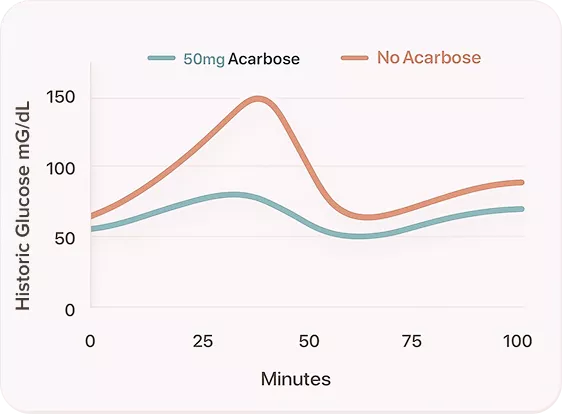
Acarbose works differently from many other glucose-lowering medications. Instead of increasing insulin or changing hormone signaling, it slows the breakdown of complex carbohydrates into glucose within the small intestine. This mechanism directly blunts post-meal blood sugar spikes.

Because of this localized action, timing is critical. Acarbose must be taken with the first bite of a meal that contains carbohydrates. Taking it after eating, between meals, or without food significantly reduces its effectiveness. If a meal contains little to no carbohydrate, acarbose may not be necessary for that meal, depending on individual guidance from a healthcare provider.

When traveling, meal timing often becomes unpredictable. Skipped meals, delayed flights, or long sightseeing days can create situations where the medication is forgotten or mistimed. Understanding that acarbose follows meals, not the clock, is one of the most important principles for maintaining effectiveness while away from home.

Managing Acarbose Dosing Across Time Zones

Unlike medications that require evenly spaced dosing intervals, acarbose dosing is tied entirely to meals. This makes time zone transitions simpler than they might initially seem.

When crossing time zones:

  • Do not attempt to “shift” doses gradually based on local clock time
  • Take acarbose with meals when you eat, regardless of time zone
  • Focus on meal-based consistency rather than total daily timing

For example, if you normally eat three carbohydrate-containing meals per day at home, you would continue taking acarbose with those meals while traveling — even if breakfast occurs later or dinner is earlier than usual.

Acarbose Timing While Traveling Across Time Zones

Situation Recommended Approach
Short flight (1–3 hours) Continue normal meal-based dosing
Long-haul flight Take acarbose only if eating a carbohydrate meal
Skipped meal Skip the dose
Jet lag Follow hunger and meal cues, not clock time

This approach helps maintain stable post-meal glucose control without increasing the risk of unnecessary side effects.

Adapting To Different Cuisines And Carbohydrate Content

One of the biggest challenges of travel is navigating unfamiliar food. Many regional cuisines contain higher carbohydrate loads than expected, including hidden starches, sugars, or refined grains.

Because acarbose specifically targets carbohydrate digestion, meals that are higher in starch may lead to:

  • Increased gas or bloating
  • Abdominal discomfort
  • Changes in bowel habits

These effects are not dangerous but can be uncomfortable, particularly during long travel days.

Helpful strategies include:

  • Starting with smaller portions when trying unfamiliar foods
  • Combining carbohydrates with protein and fat to slow digestion
  • Avoiding large carbohydrate-heavy meals late in the day
  • Staying well hydrated

Some individuals find that very high-carb meals abroad (such as large pasta dishes, fried foods, or desserts) produce more noticeable side effects than meals at home. Being mindful of portion size can help reduce digestive distress without eliminating cultural food experiences.

Common Side Effects During Travel And How To Minimize Them

The most common side effects of acarbose are gastrointestinal and include gas, bloating, abdominal discomfort, and diarrhea. Travel itself can worsen these symptoms due to changes in routine, hydration, and gut motility.

Factors that may increase side effects while traveling:

  • Sudden increases in carbohydrate intake
  • Eating quickly or irregularly
  • Dehydration
  • Reduced physical movement during long flights

To minimize discomfort:

  • Eat slowly and mindfully
  • Walk after meals when possible
  • Avoid carbonated beverages with high-carb meals
  • Gradually reintroduce higher-carb foods

If symptoms become severe or persistent, medical guidance should be sought.

Packing And Storing Acarbose For Travel

Acarbose is generally stable at room temperature but should be protected from excessive heat and moisture. When traveling, proper packing ensures uninterrupted access and avoids missed doses.

Practical tips include:

  • Carrying medication in original labeled containers
  • Keeping doses in carry-on luggage rather than checked bags
  • Bringing extra tablets in case of delays
  • Carrying a copy of the prescription for international travel

Unlike injectable medications, acarbose does not require refrigeration, making it relatively travel-friendly.

Tips For Maintaining Blood Sugar Control While Traveling

Travel introduces variables that affect glucose regulation beyond medication alone. Supporting blood sugar stability requires a combination of medication adherence and lifestyle awareness.

Helpful habits include:

  • Eating consistent meals when possible
  • Prioritizing protein and fiber
  • Staying hydrated throughout the day
  • Incorporating light activity, such as walking
  • Monitoring blood glucose more frequently if recommended

These strategies complement acarbose’s mechanism and help reduce unexpected glucose fluctuations.

When To Consult Your Healthcare Provider Before Traveling

Certain situations warrant medical consultation before travel:

  • Long international trips with significant time zone changes
  • Recent medication adjustments
  • History of severe gastrointestinal side effects
  • Underlying digestive disorders
  • Illness or infection prior to departure

A healthcare provider may offer individualized advice on meal planning, symptom management, or monitoring during travel.

Final Thoughts: Staying Prepared And Healthy On The Go With Acarbose

Traveling while taking acarbose requires awareness rather than restriction. By understanding how the medication interacts with meals, carbohydrates, and digestion, travelers can make informed decisions that support both glucose control and comfort. Preparation, flexibility, and mindful eating allow acarbose to remain effective — even far from home.

Conclusion

Acarbose can be safely and effectively used during travel when dosing remains aligned with meals and carbohydrate intake. Time zone changes, unfamiliar cuisines, and altered routines may introduce challenges, but these can be managed with planning and attention to digestive signals. With thoughtful preparation, travelers can maintain blood sugar control while minimizing side effects and enjoying their journey.

Heally connects you with licensed clinicians who focus on practical, day-to-day care. During your visit, you’ll review your meal patterns, activity, and readings, then discuss whether acarbose belongs in your plan. If it’s a fit, we’ll outline clear timing instructions, simple nutrition adjustments, and a follow-up schedule to check how your post-meal glucose responds. We’ll also talk through insurance and pharmacy options so you know what to expect.

If you’re curious whether acarbose fits your situation, talk with a licensed clinician about your options. Schedule a consultation with Heally today.

Sources

  • American Diabetes Association. Pharmacologic Approaches to Glycemic Treatment (2025). Diabetes Journals
  • FDA Label (Precose/acarbose). “Take at the start (with the first bite) of each main meal.” FDA Access Data
  • MedlinePlus. “Acarbose—how to use; first bite of each main meal.” MedlinePlus
  • StatPearls. Acarbose—mechanism and post-meal effect. NCBI
  • StatPearls. Alpha-Glucosidase Inhibitors—class overview and timing. NCBI
  • Mayo Clinic. Acarbose (oral route)—patient information and description. Mayo Clinic
  • Nature Reviews Endocrinology. Effects of alpha-glucosidase-inhibiting drugs on acute PPG. Nature
  • Cochrane Library. Alpha-glucosidase inhibitors for type 2 diabetes—evidence overview. Cochrane

Disclaimer

This content on traveling while taking acarbose is for informational purposes only and does not constitute medical advice. Medication effects, dosing schedules, and safety considerations vary by individual. Acarbose should only be used as prescribed by a licensed healthcare provider. Patients should consult their clinician before making changes to medication timing, dosage, or diet.

Important Note

Acarbose is FDA-approved for managing type 2 diabetes and has specific dosing, monitoring, and safety considerations. Off-label uses or alternative products may carry additional risks related to quality, safety, or effectiveness. Never start, stop, or change any medication without professional guidance. Always consult your healthcare provider before making changes to your diabetes care plan.


Interested in alternative treatment options? Check out our different services.
Interested in Learning More? Book Free Consultation.
Explore the Benefits of Acarbose
0 Shares: